Celebrate Pride Month With These Sapphic Banned Books
ARC & Gifted Book Disclosure
I sometimes receive free books—advance reader copies (ARCs), PR review copies, or complimentary galleys from publishers, authors, or services like NetGalley. These gifts do not influence my opinions or ratings. All such books are clearly noted in the reviews. Honest feedback is always my priority.
Please read my full ARC & Gifted Book Disclosure Policy for more information.
Affiliate Disclosure
This post contains affiliate links. If you click on these links and make a purchase, I earn a small commission at no extra cost to you. As an affiliate, I am committed to providing you with valuable content while maintaining transparency about my affiliate partnerships. All affiliate links are accompanied by an asterisk "*".
Your support through these affiliate links helps sustain this website and allows me to continue sharing quality information and recommendations. Please rest assured that the products or services I promote through these links are ones I genuinely believe in.
Your trust and satisfaction are of utmost importance to me, and I will always strive to provide honest and unbiased reviews and recommendations. Please see my book blog's full Affiliate Policy for more details.
Thank you for your support! <3
Reading queer books is an act of rebellion.
To round out Pride Month, I think it's time we have a chat about banned books.
Since 2021, there has been a drastic rise in attempts to ban books in the United States. According to PEN America, nearly 23,000 books have been banned in public schools over the last five years with over 6800 books during the 2024-25 school year alone. Want to guess how many of the challenged and banned books fall under the queer umbrella? In 2025, around 40 percent (FORTY!) of the unique titles involved LGBTQPIA+ folks and people of color.
The ramifications of book bans reach way further than simply making it hard to access queer novels. According to the New York Public Library President, Tony Marx, “banning a book is the first step toward erasing not just someone's work, but their humanity, and their surrounding culture.”
Well, f-ck that! I refuse to be erased. And if you feel the same way, it's time that you grab your library card or head to your local, independent book shop to combat censorship and help keep diverse titles and authors on the shelves.
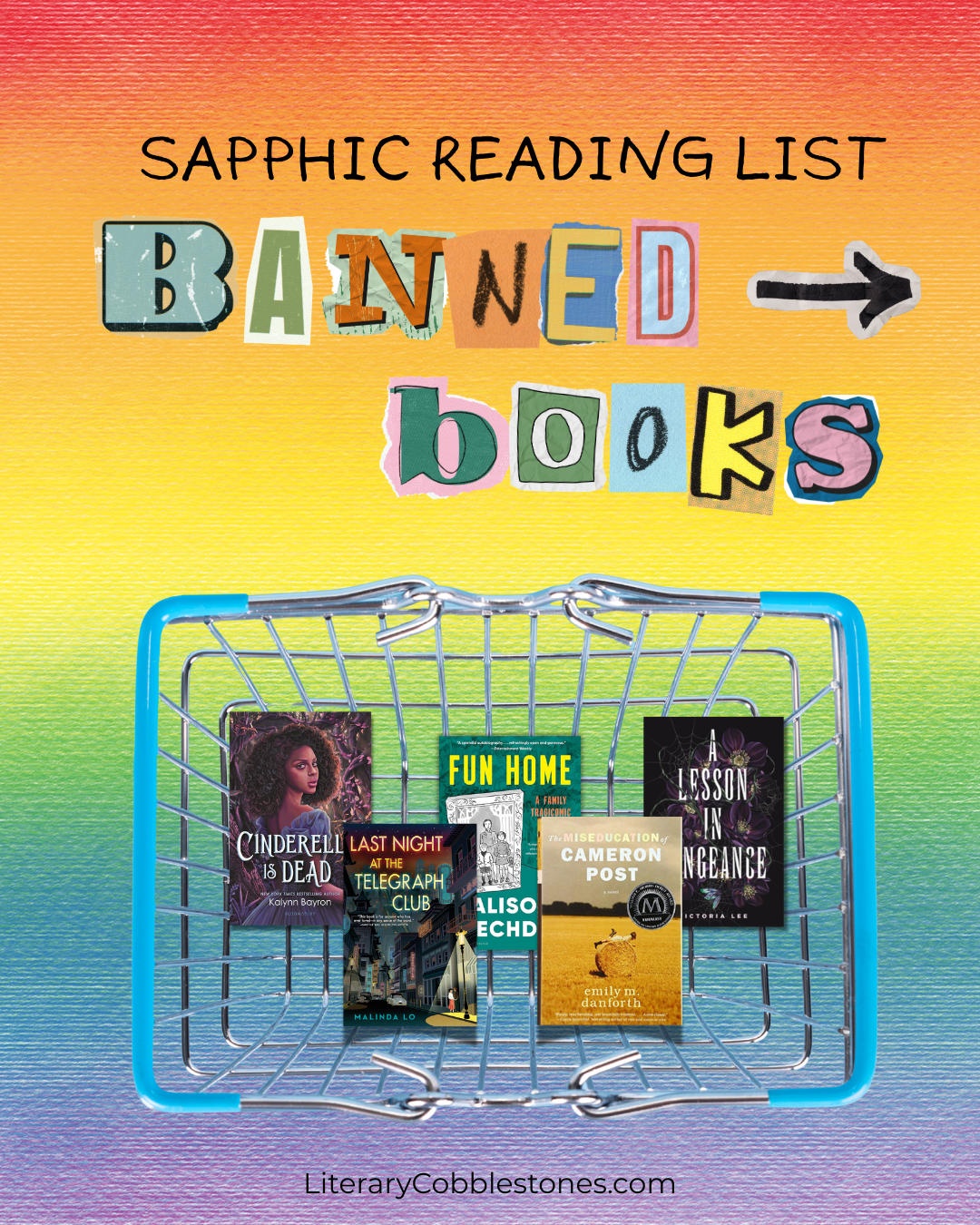
To help you get started, here are a few suggestions for your banned book list TBR. While not focused on lesbian and queer horror specifically, I think these all offer something the LitCobb audience will appreciate.
YOUR SAPPHIC BANNED READING LIST (includes challenges)
“The Miseducation of Cameron Post” * by Emily M. Danforth
“Last Night at the Telegraph Club”* by Malinda Lo
“A Lesson in Vengeance” * by Victoria Lee
“Fun Home”* by Alison Bechdel
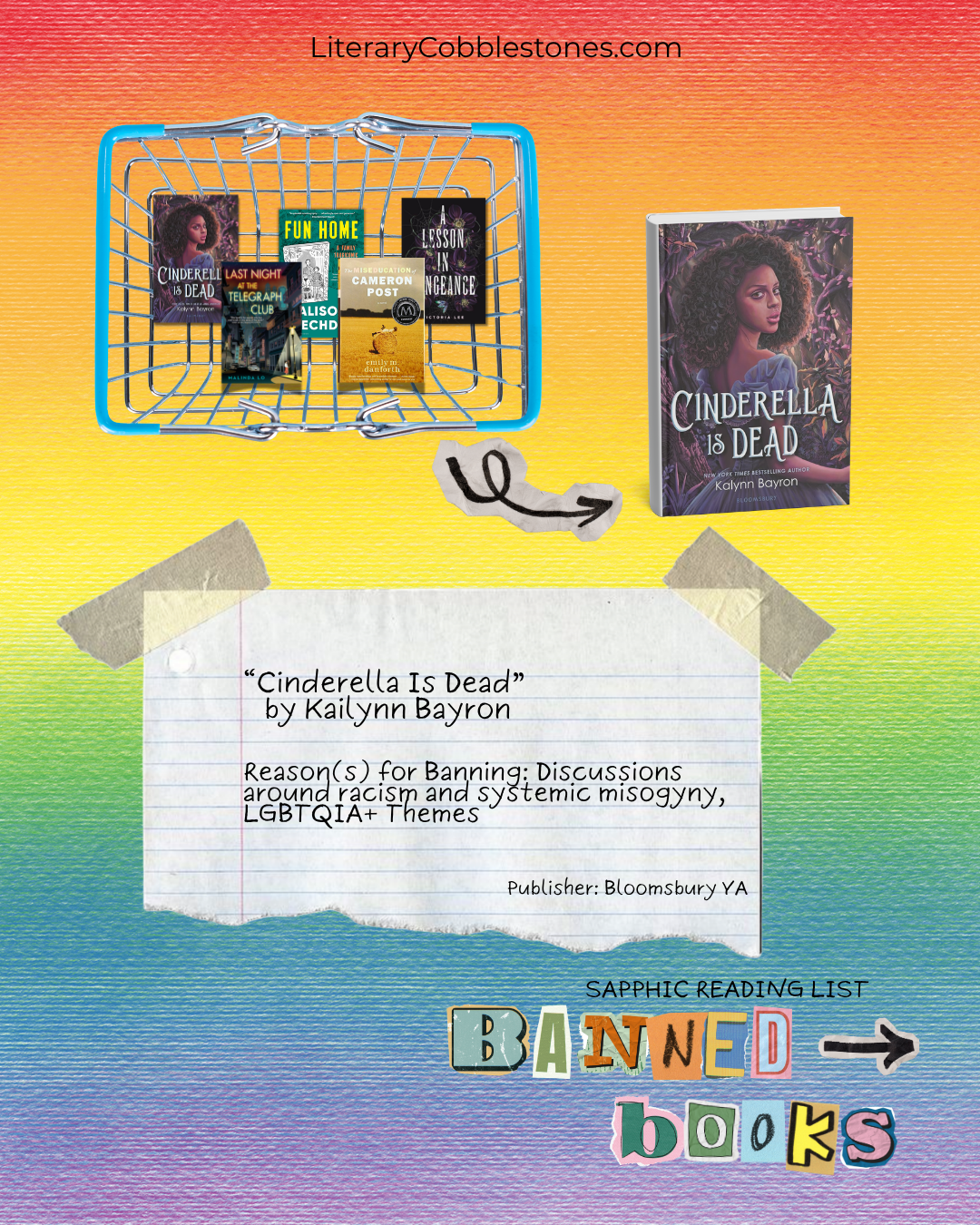
“Cinderella Is Dead” * by Kailynn Bayron
To help you decide which option(s) is a good fit for you, I've put together a little TL;DR below with a summary of each novel and the reasons that the title was challenged.
5 Banned Books to Read for Lesbian & Queer Women
“The Miseducation of Cameron Post” by Emily M. Danforth
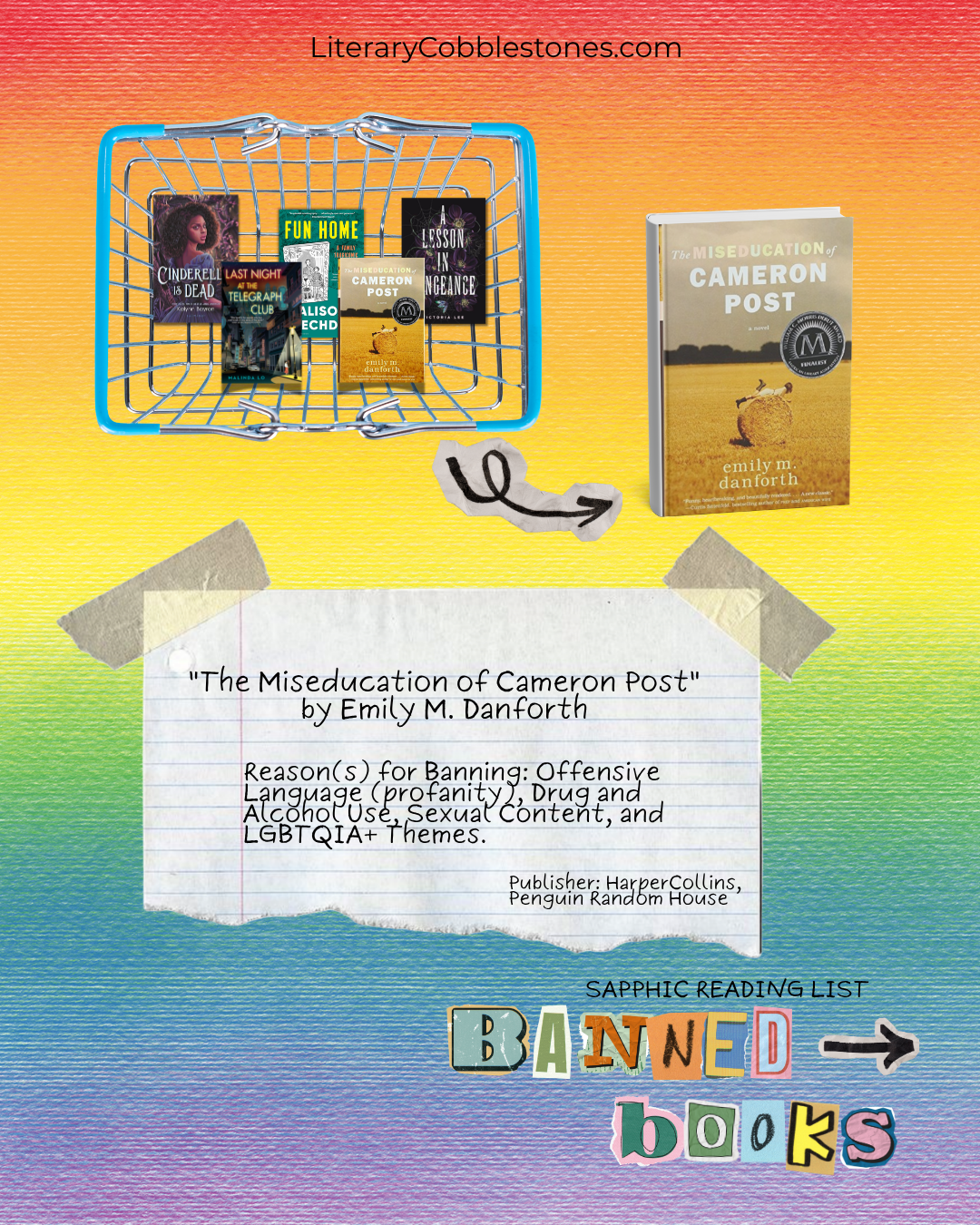
Cover art courtesy of the Publisher: HarperCollins, Penguin Random House
This coming-of-age novel follows the story of twelve-year-old Cameron in the aftermath of her parents’ death. Yet, when her aunt finds out she's been exploring sapphic relationships, she's sent to a conversion therapy camp.
Reasons Given for Banning “The Miseducation of Cameron Post": Offensive Language (Profanity), Drug and Alcohol Use, Sexual Content, and LGBTQIA+ Themes
During my research into lesbian and queer banned books, the public records around one particular banning of "Miseducation” caught my full attention, and I desperately need to share it with you. Okay, the lore is as follows: Back in 2014, the novel was part of a summer reading list at a high school in Delaware for students intending to take college preparatory and honors classes; the “advanced” students, if you will. After parents raised concerns at a meeting, the school board voted to remove the book from the list.
Well, apparently, the Kids’ Right to Read Project heard about it and sent a letter requesting that the book be reinstated as the school board (allegedly) didn't follow the district's own policies, i.e., the written complaint followed by a committee review. In response, the school board decided to reconsider the book's ban. But in the end, “Miseducation” wasn't added back to the list; instead, the school board voted to scrap the entire thing.
That would've been a sure-fire way to get me to want to read it if I'd been one of the students. You can read all about the ins and outs of the book ban over on the National Coalition Against Censorship website.
“Last Night at the Telegraph Club” by Malinda Lo
Cover art courtesy of the Publisher: Dutton Books for Young Readers
Set during the Red Scare, the coming-of-age story follows a Chinese-American teen, Lu, as she simultaneously navigates her sexuality, her first sapphic relationship, and widespread racism as her dad faces the potential of deportation. Amongst the chaos, Lu finds refuge at a lesbian dive bar.
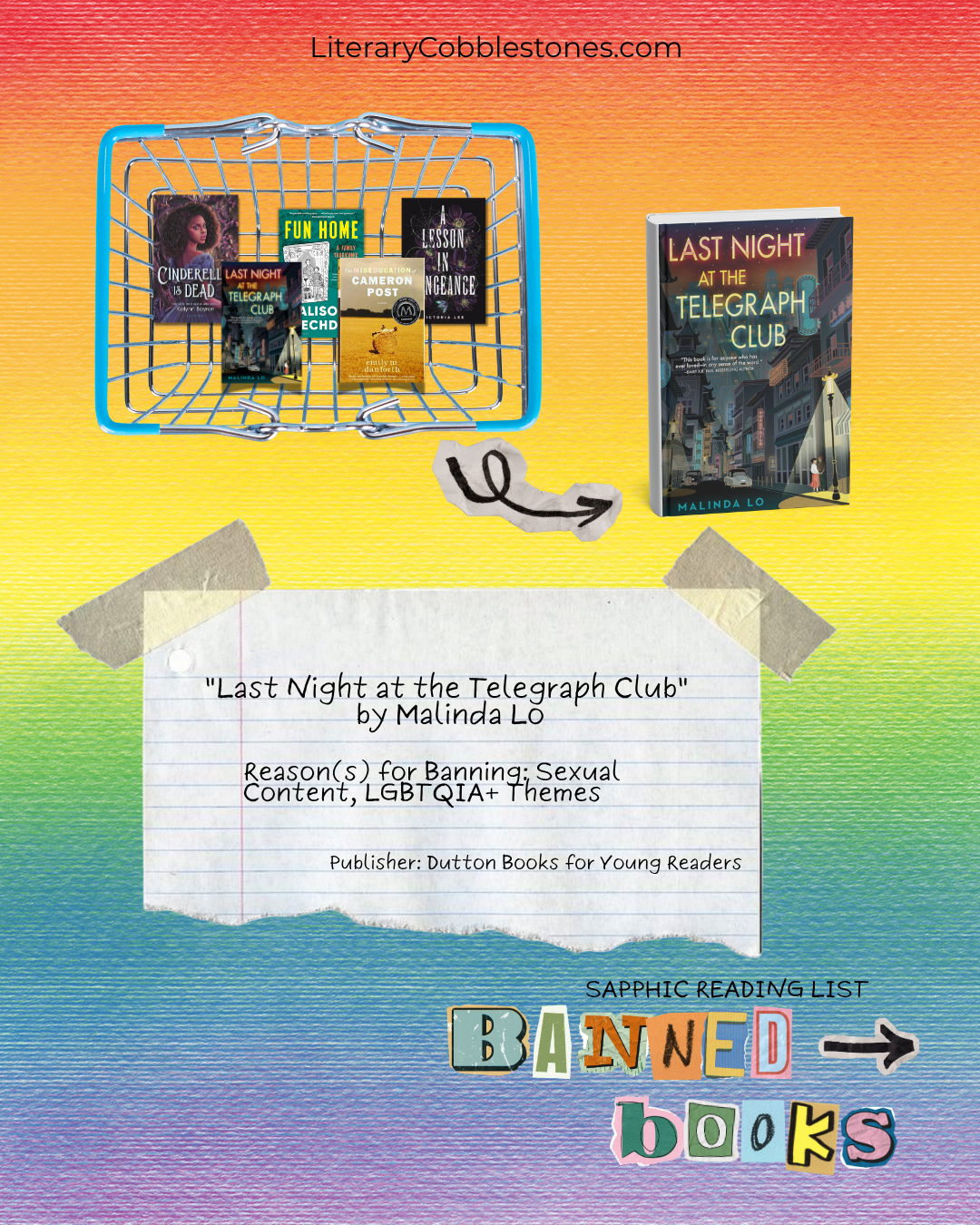
Reasons Given for Banning the “Last Night at the Telegraph Club”: Sexual Content, LGBTQIA+ Themes
“A Lesson in Vengeance” by Victoria Lee
Cover art courtesy of the Publisher: Delacorte Press, Titan Books
This sapphic, gothic thriller follows a teen, Felicity, as she returns to her boarding school following the death of her girlfriend. But when a new girl convinces her to dive into the dark history of the school, including witchcraft and paranormal presences, chaos, and some very toxic sapphic romance quickly ensues.
Reasons Given for Banning “A Lesson in Vengeance”:Nudity and sexual content, LGBTQIA+ Themes
“A Lesson in Vengeance” hasn't been a widespread book ban. Instead, it primarily made the list after Utah's legislature passed the H.B. 374 law, which targeted books with “sensitive” subject matter. Unsurprisingly, nearly half (42 percent) of the books on Alpine School District's banned list featured LGBTQ+ themes.
“Fun Home” by Alison Bechdel
Cover art courtesy of the Publisher: Houghton Mifflin, Mariner Books
The award-winning graphic memoir explores Bechdel's relationship to her father. After coming out as a lesbian, she found out her dad was gay as well, but before she could learn more, he passed away. The graphic novel explores the complexities of the unknown through her childhood and her interactions with her dad.
Reasons Given for Banning "Fun Home":Sexual Content, Religion, Violence, LGBTQIA+ Themes
“Cinderella Is Dead” by Kailynn Bayron
Cover art courtesy of the Publisher: Bloomsbury YA
Centered around a black, queer protagonist, Sophia, the sapphic novel is a dystopian retelling of Cinderella. Instead of a light-as-air romcom, the story unveils the darkness of patriarchal values. In this instance, teen girls attend a ball every year where they're selected by men to be taken as wives, and Sophia is determined to take down the King and free the women of the land.
Reasons Given for Banning "Cinderella Is Dead”: Discussions around racism and systemic misogyny, LGBTQIA+ Themes
How to Combat LGBTQ+ Book Bans
From court rulings to new legislation, with so much being thrown at the community on a near-daily basis, I know many of us can feel helpless at times. BUT, this is one area that we can all actively help combat in a really simple and straightforward way: support banned authors. And how exactly do we all do that?
Visit Your Local Library
When you check out or reserve a book at your local library, it helps send a message that the author and their work are valuable. These stats play into the library directly by keeping the title on the shelf. It also plays a part during the budget process, as they have to determine where to invest the funds in terms of buying both physical and digital copies of a book. The more people who read a banned book, the more money a branch invests in that author for that specific novel, as well as makes investment more likely for any future releases.
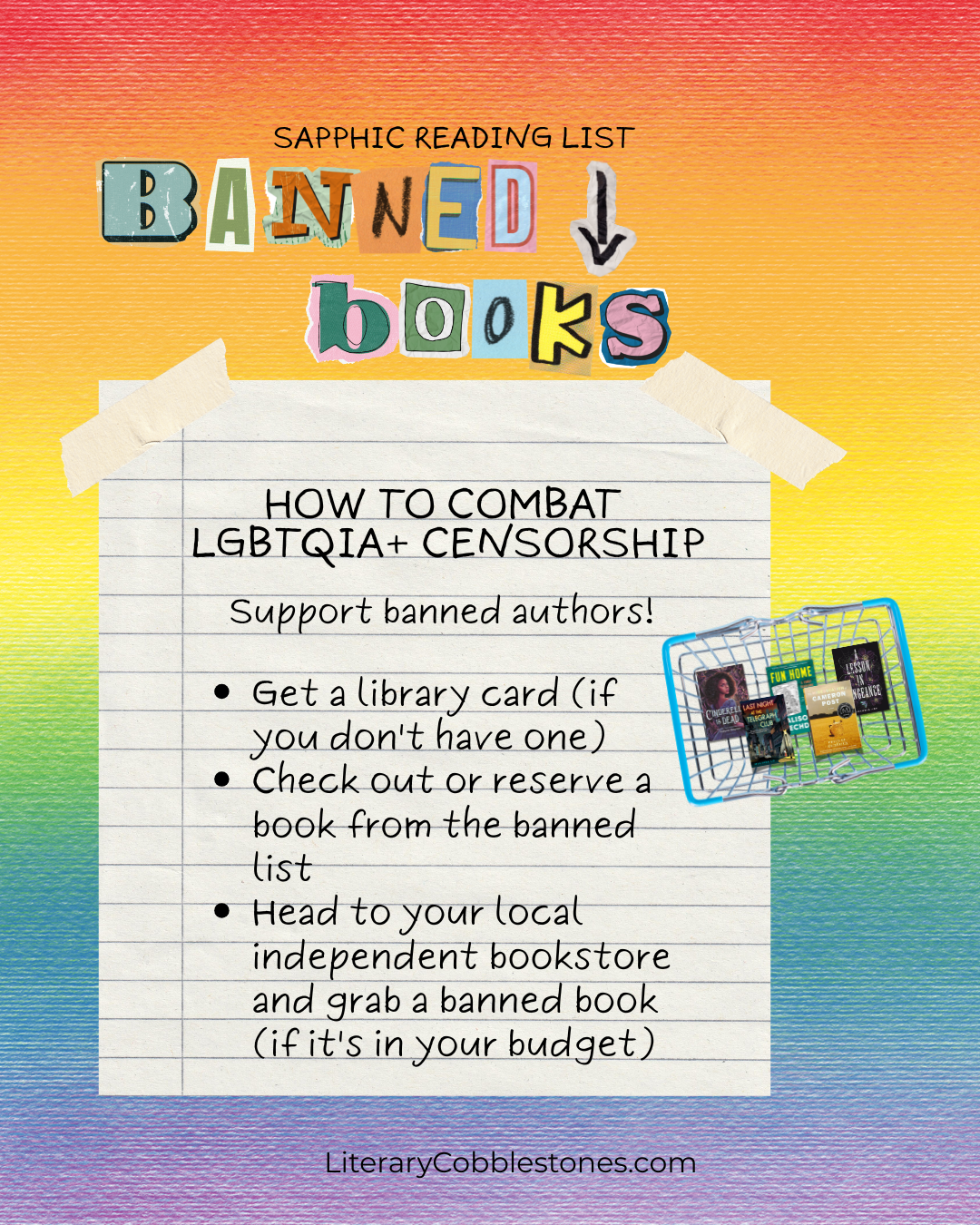
Checking out a banned book also helps the publisher identify that the writer is valuable through their popularity. As a result, it can help them come to the decision that they deserve the company's financial support in terms of continuing prints, future book contracts, and advances.
Plus, using the library helps keep the service around. Local budgets that power libraries are largely based on usage, so using its services (and there are many!) protects the entity for the rest of the community as well.
No library card? Get one–they're free!
Find a local library in the UK
Find a local library in the US
Head to a Local, Independent Bookshop
When budgets allow, supporting a local bookstore is another way to help combat LGBTQ+ censorship. Purchasing a title provides financial gain to the author, and, like with the library, it helps encourage publishers to continue to support the writer. Additionally, it directly injects money back into the local community via employees and taxes. Everyone wins!
Buy a Sapphic Banned Book From BookShop.org
[This is an affiliate link. If you make a purchase using the link, I earn a small commission at no additional charge to you. Such support helps cover the operational costs of my book blog and allows me to continue my passion project. Thank you for your support!]
Thanks for stopping by! If you're interested in reading this sapphic novel for yourself, you can find all the sapphic banned books on my Bookshop.org* shop and select the independent shop you want to support.
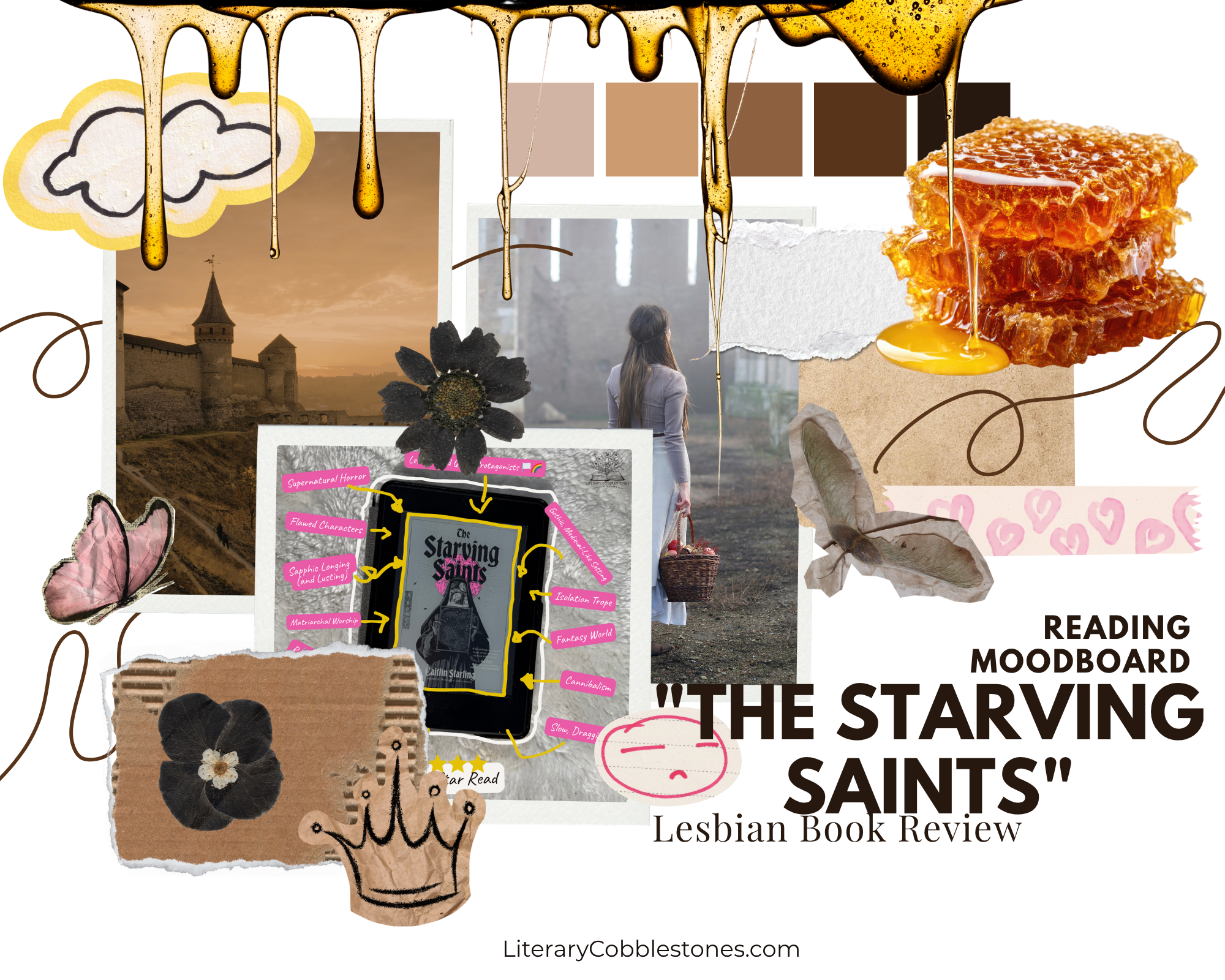
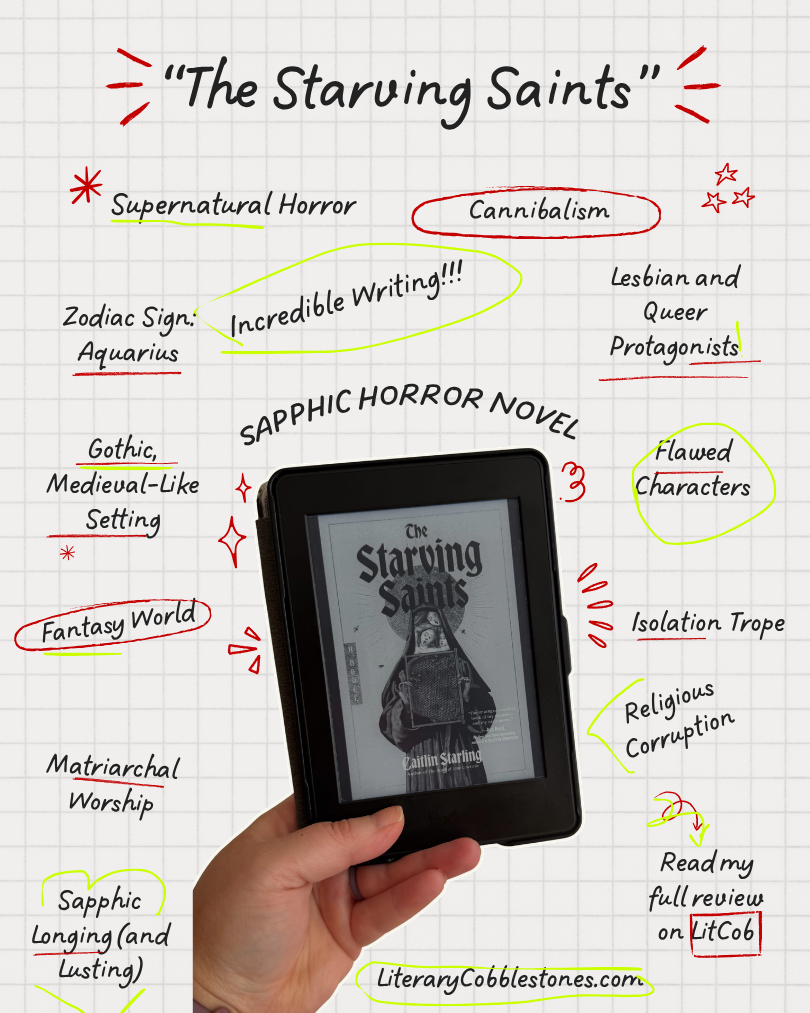
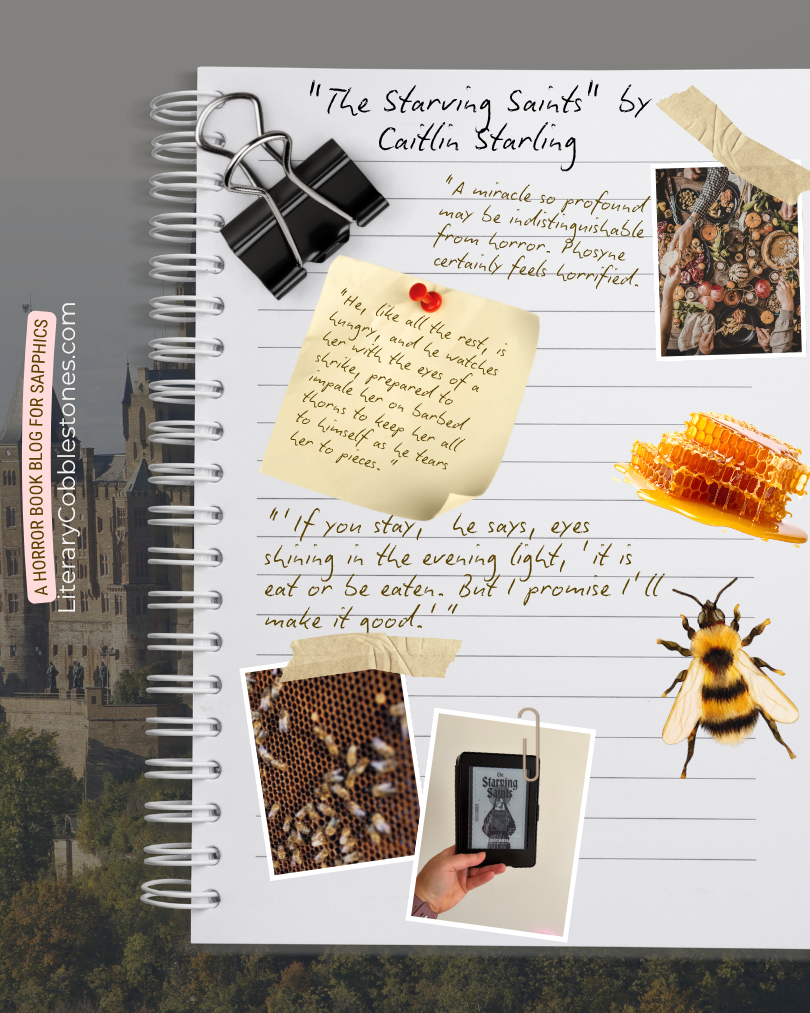
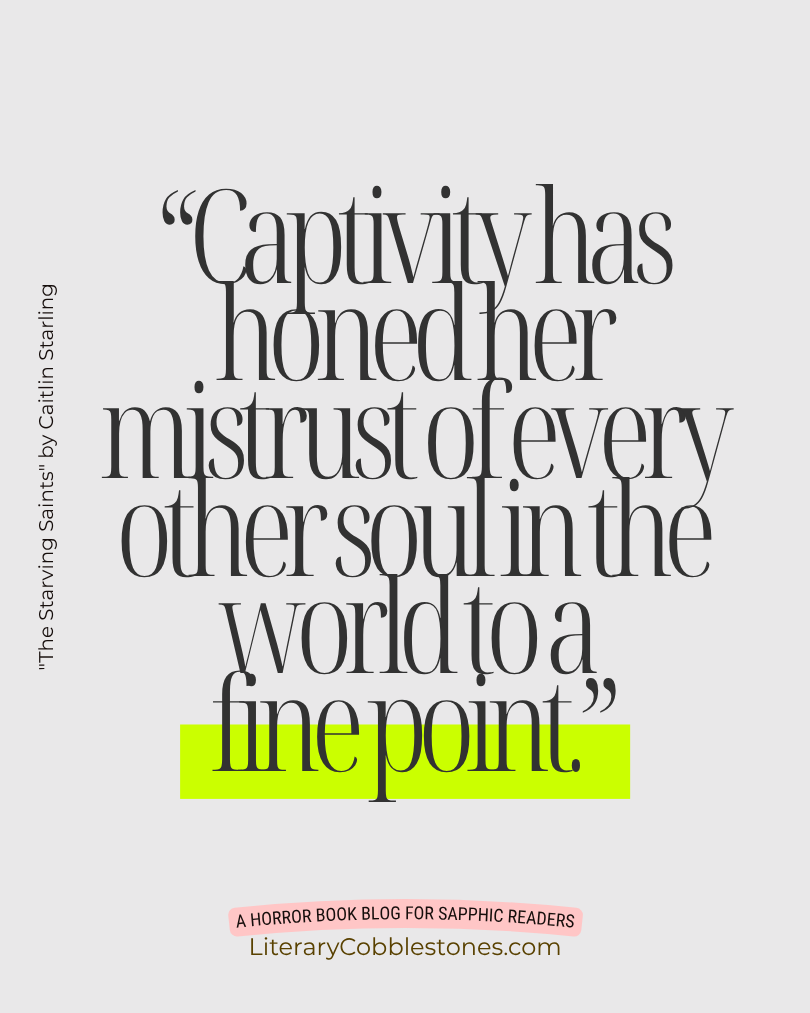
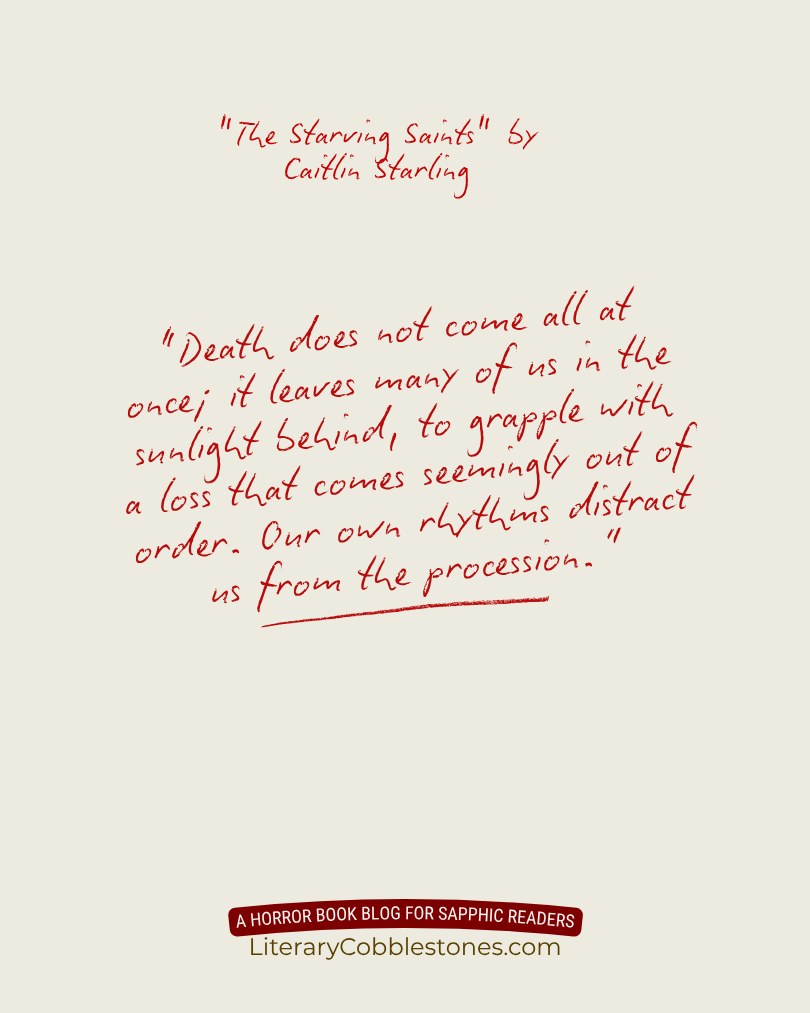
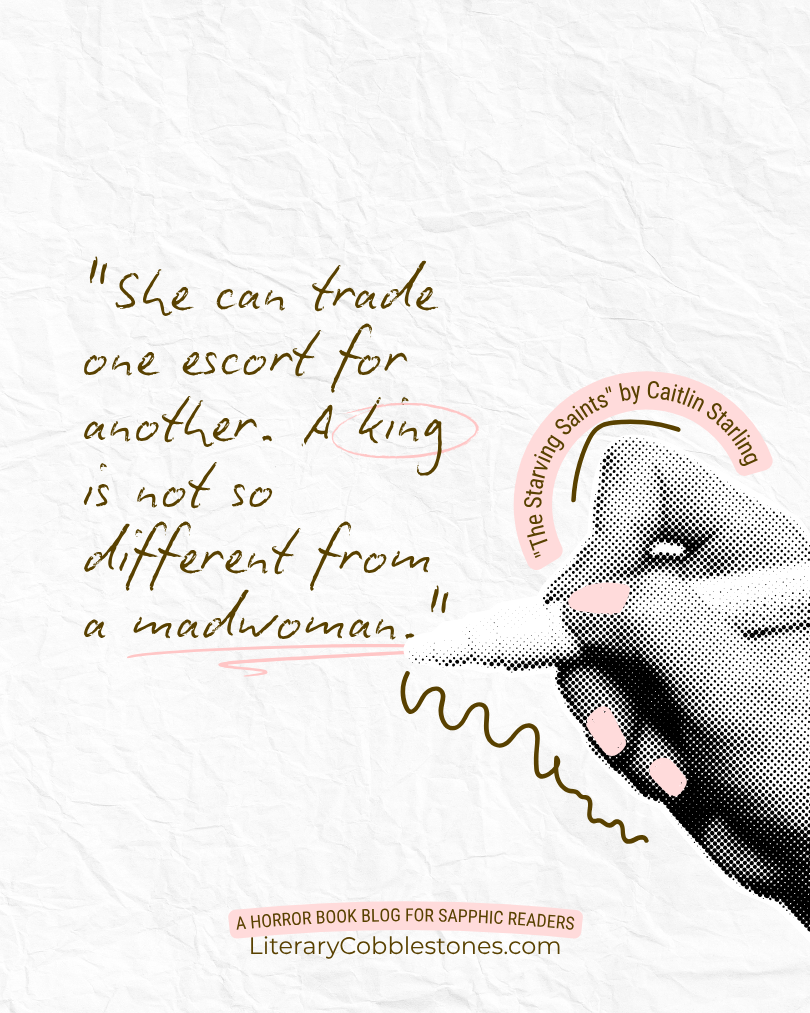
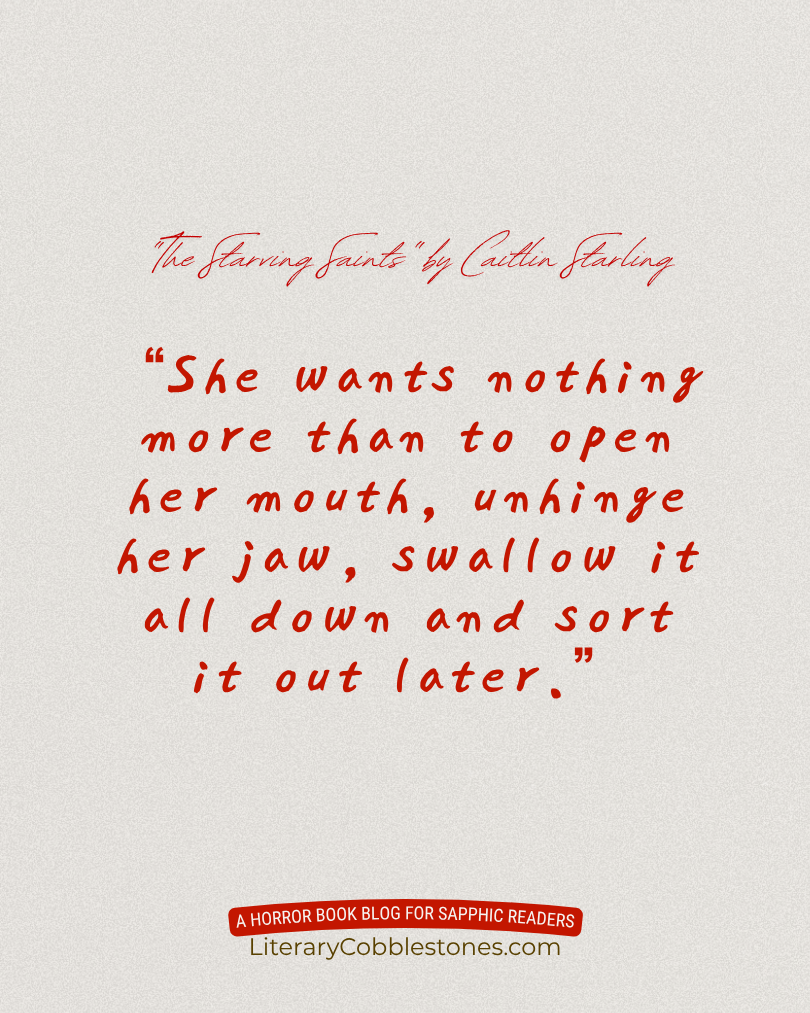
Reading Aesthetic: “The Starving Saints”
Love a moodboard? I make them for every book review! As a zine and collage fanatic, I can’t help but create an artistic visual element for each of my book reviews. See my most recent design >> Reading Moodboard “The Starving Saints”.
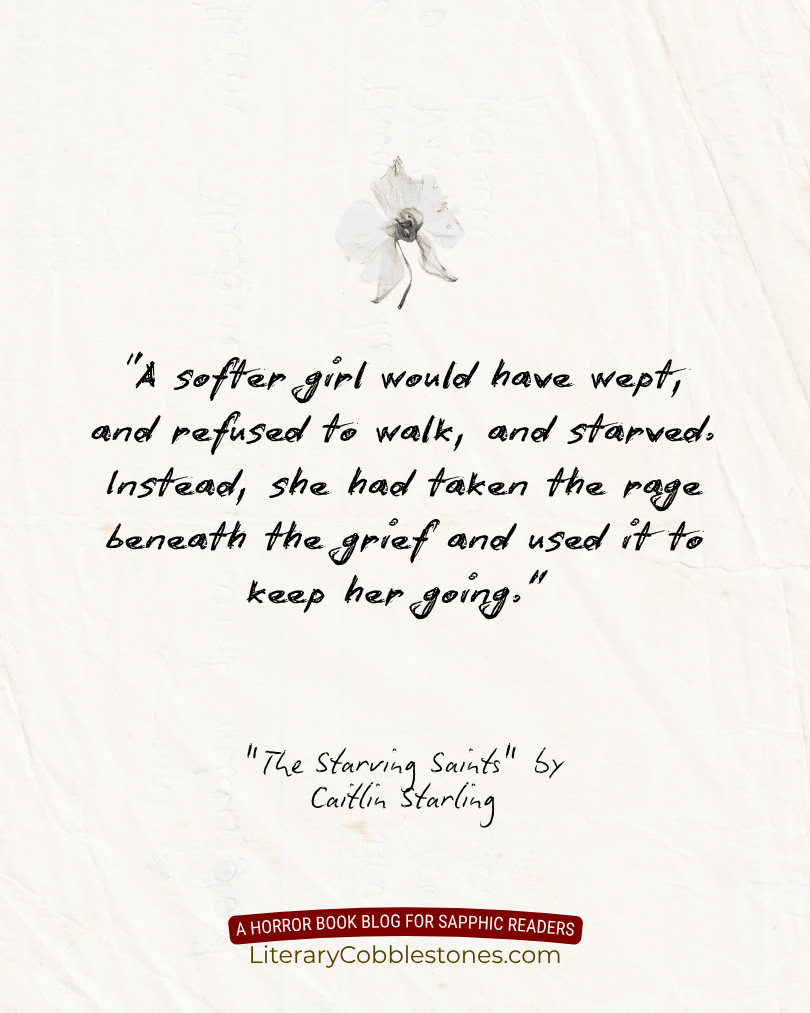
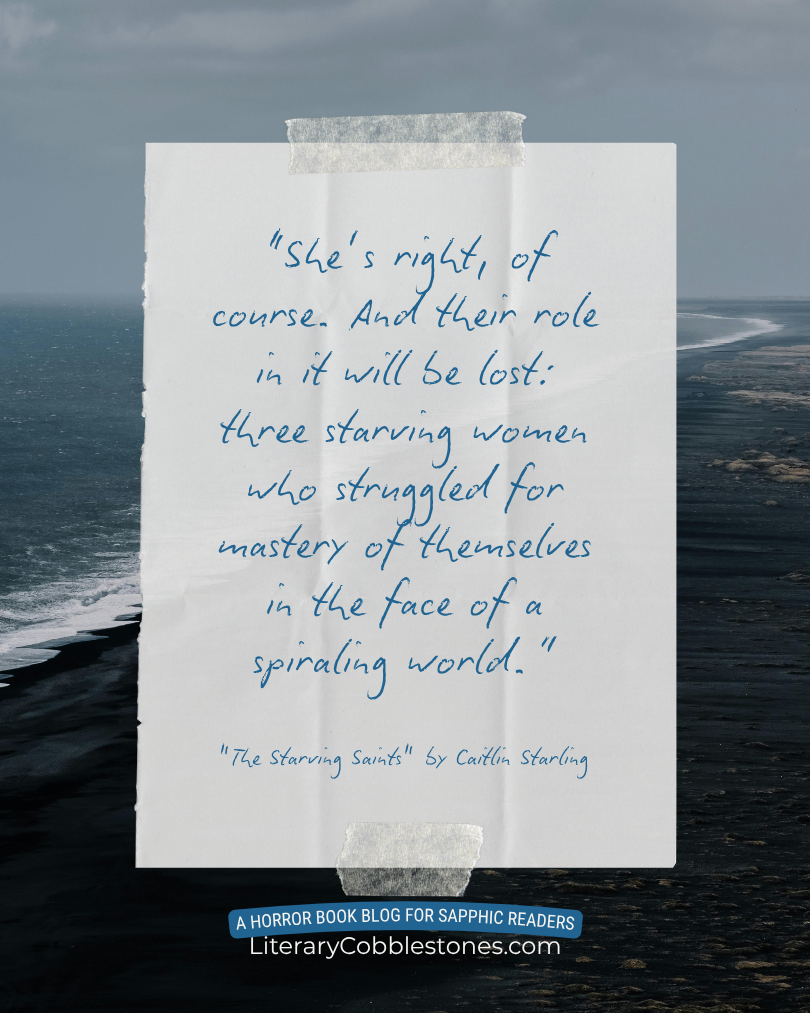
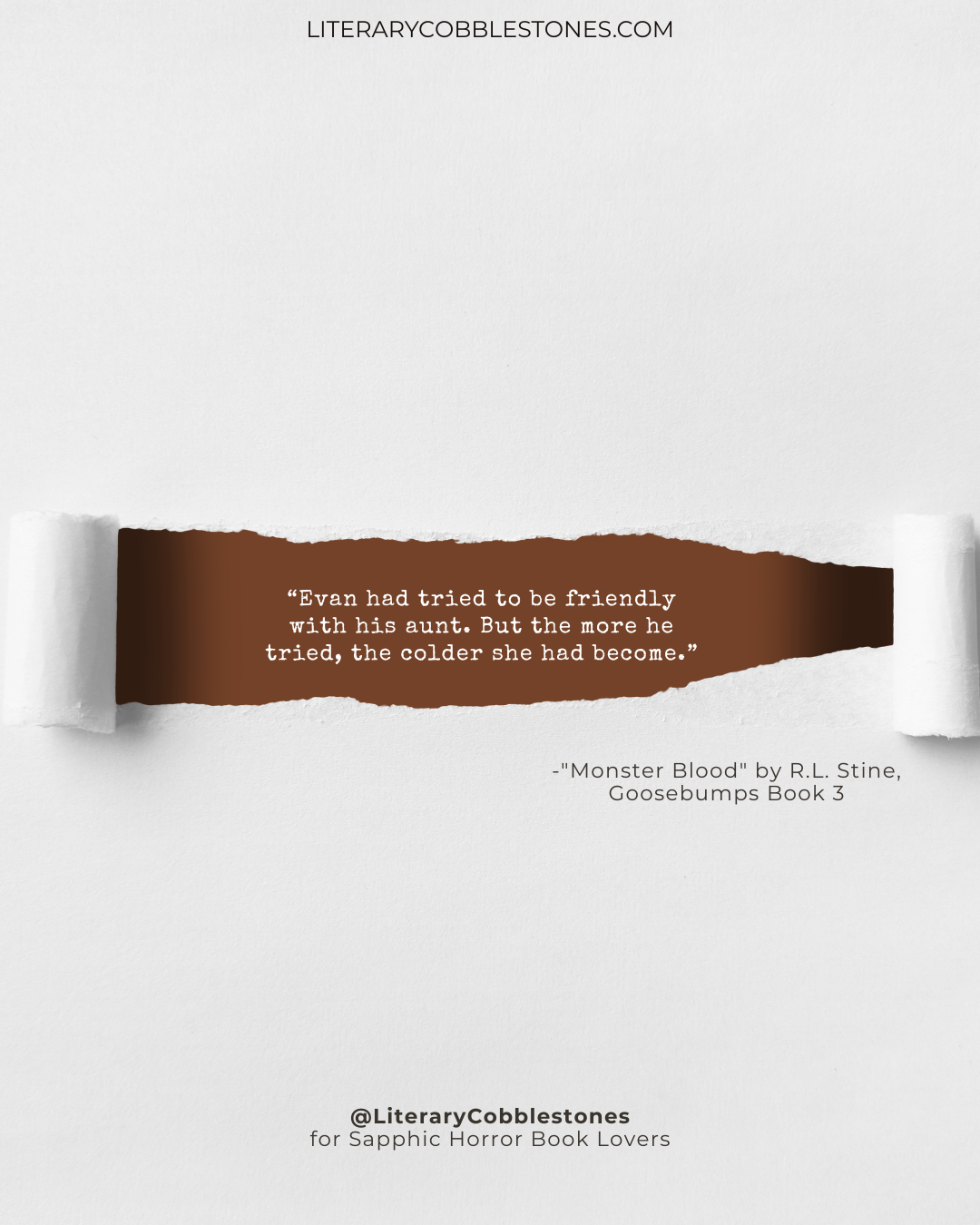
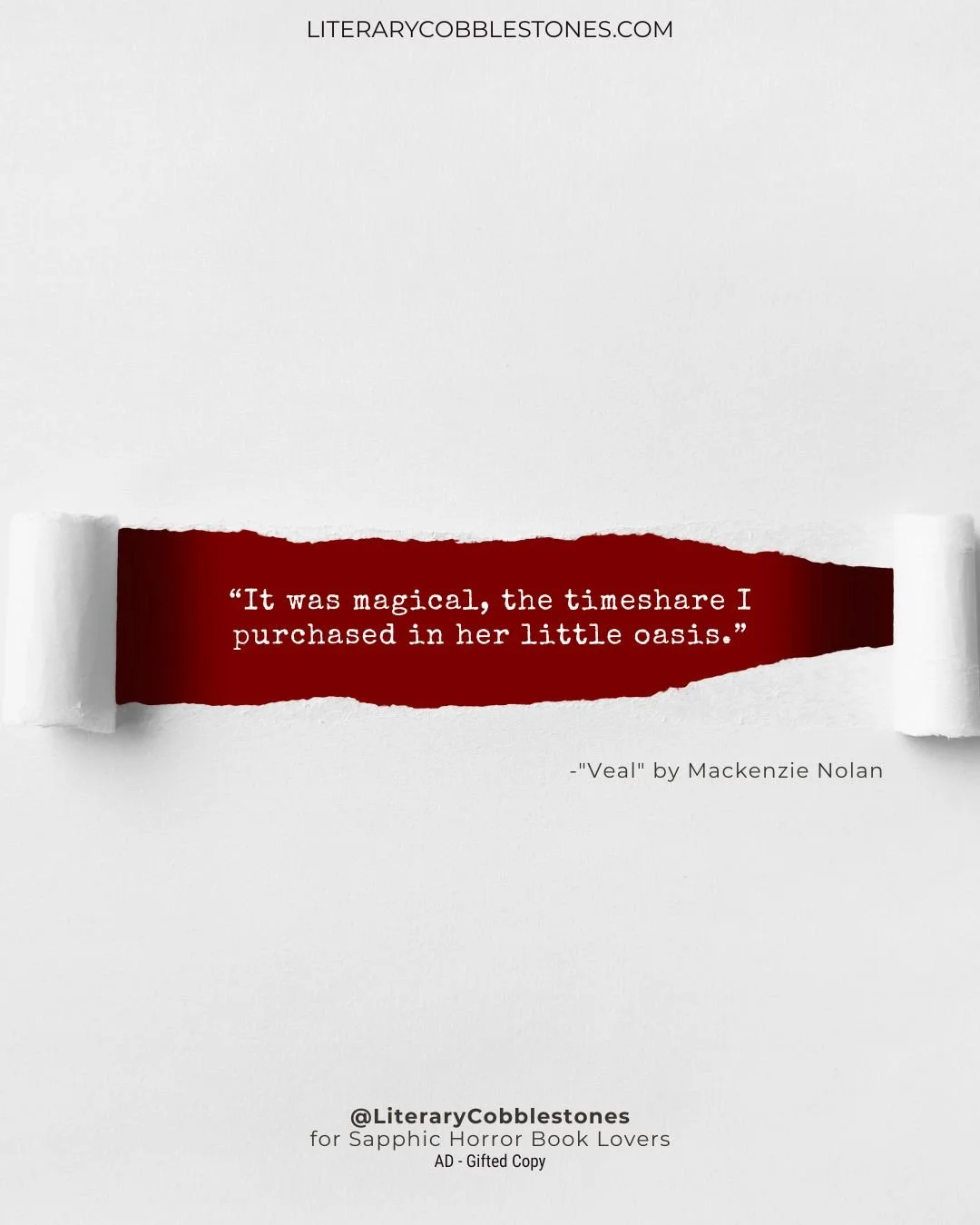
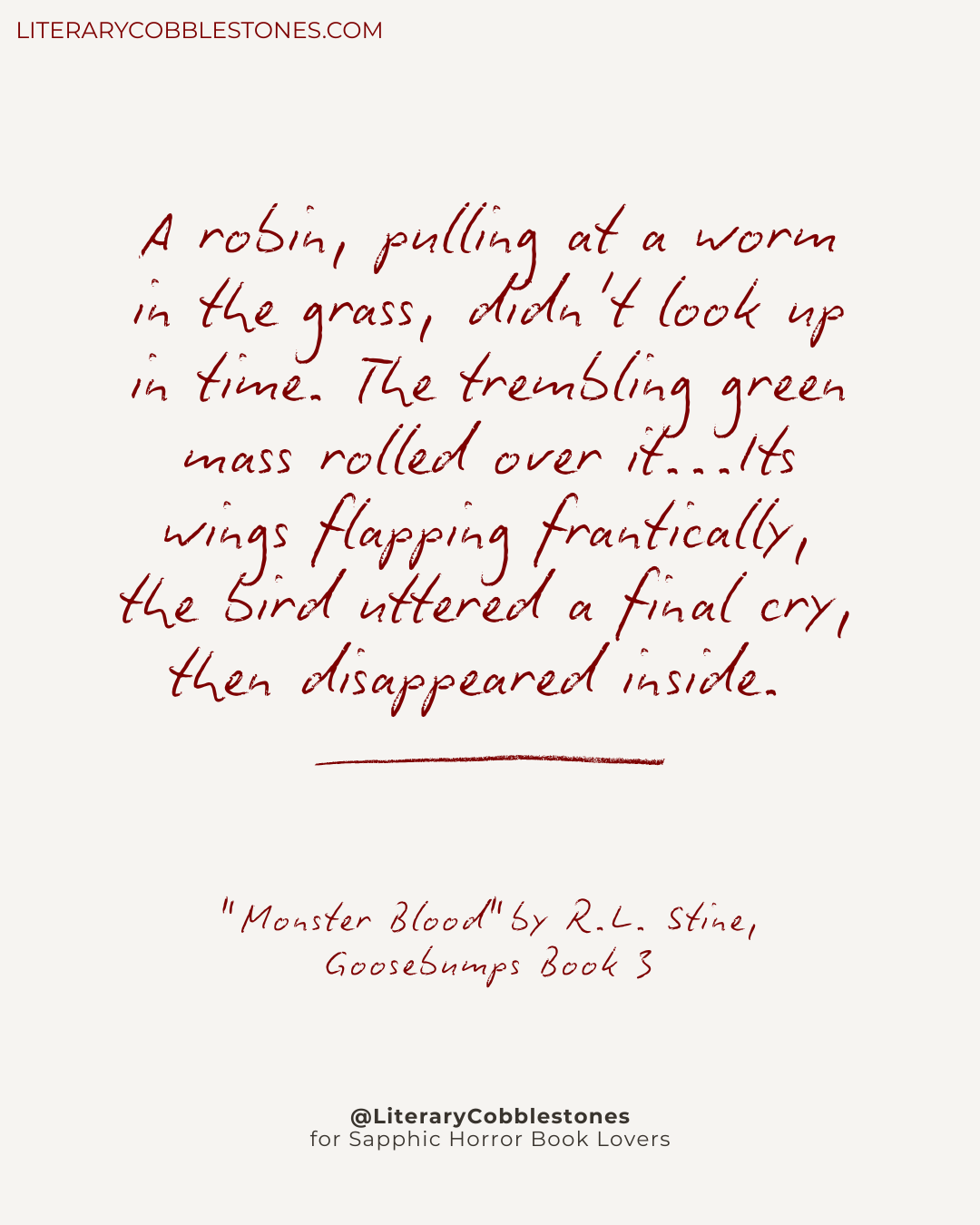
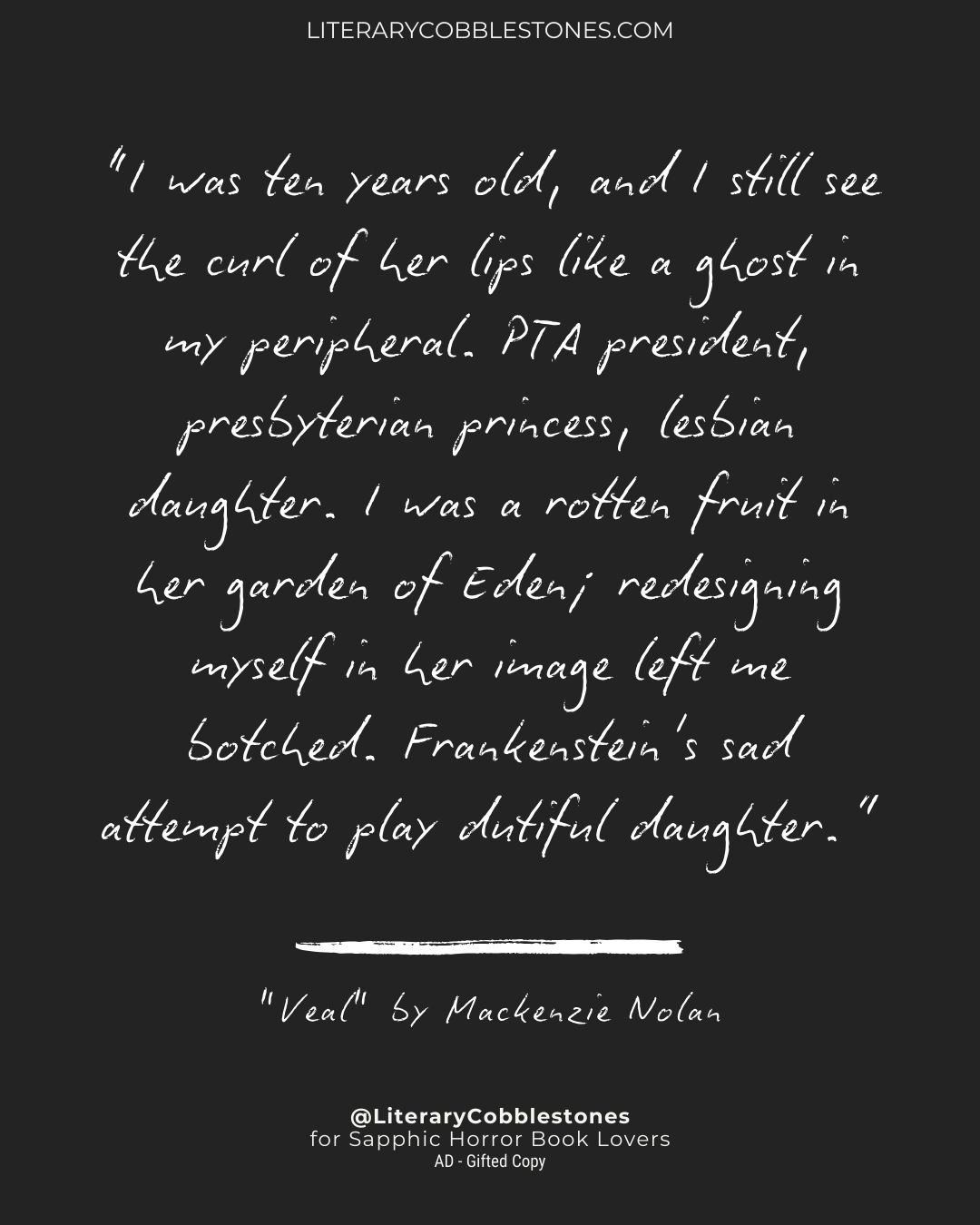
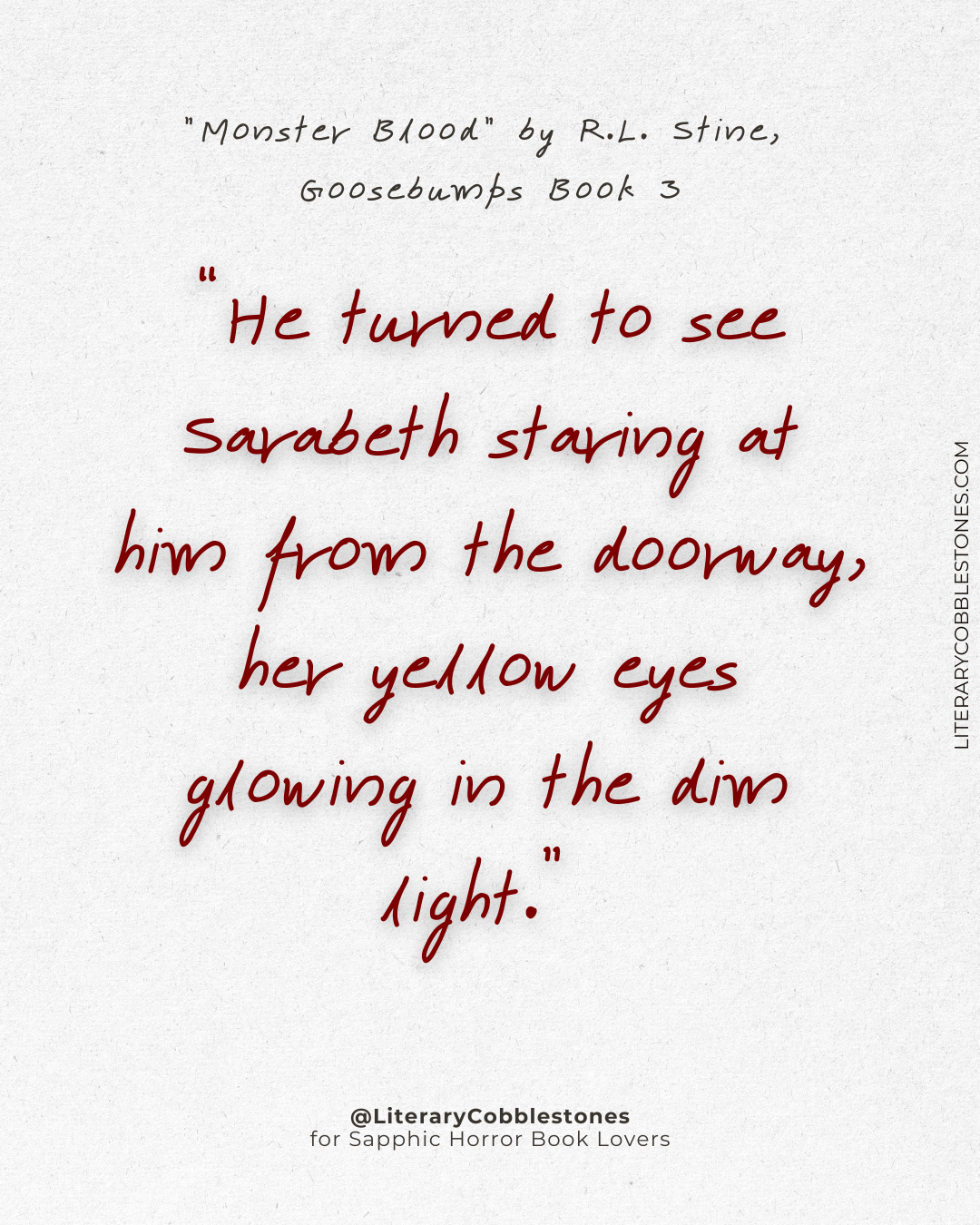
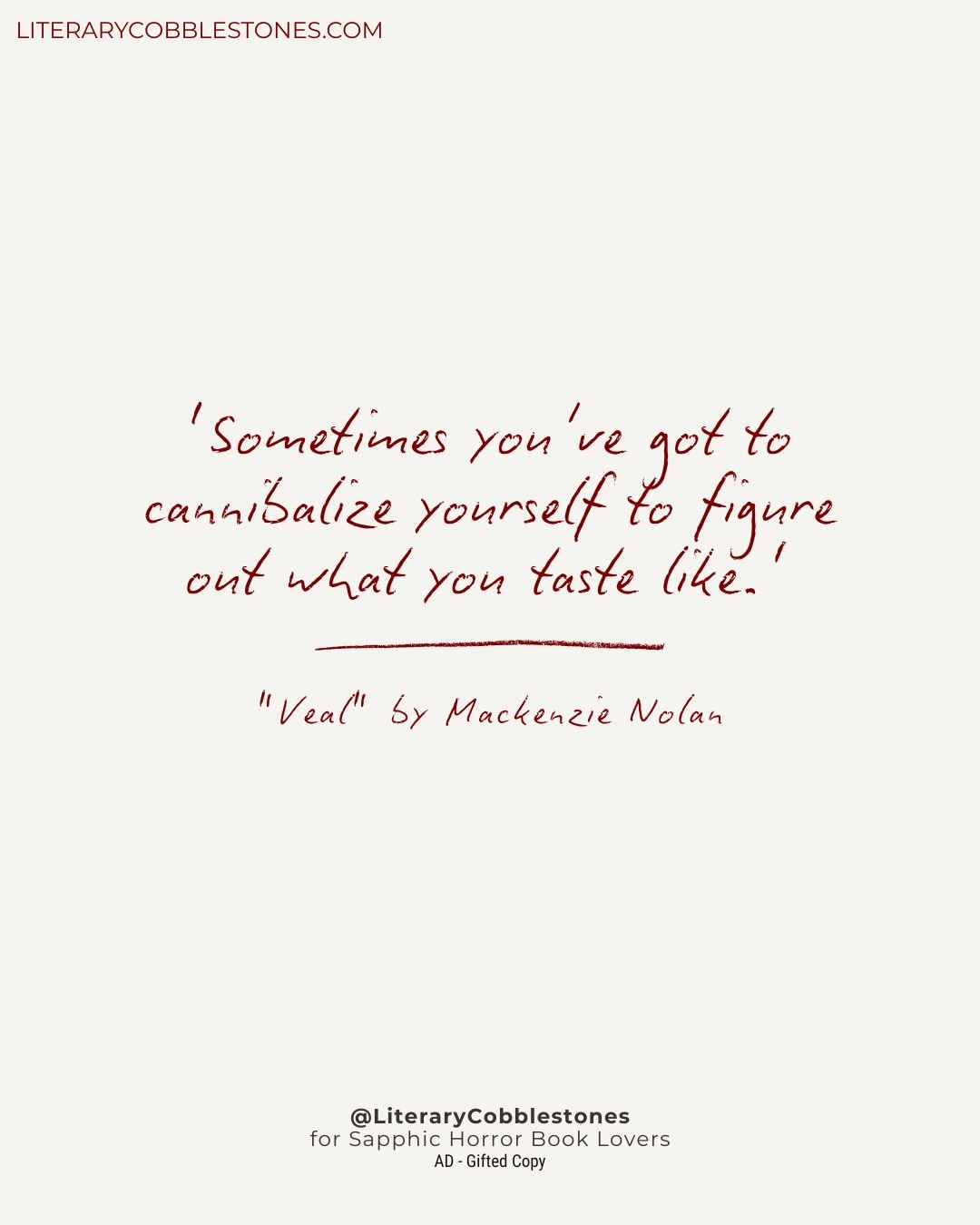
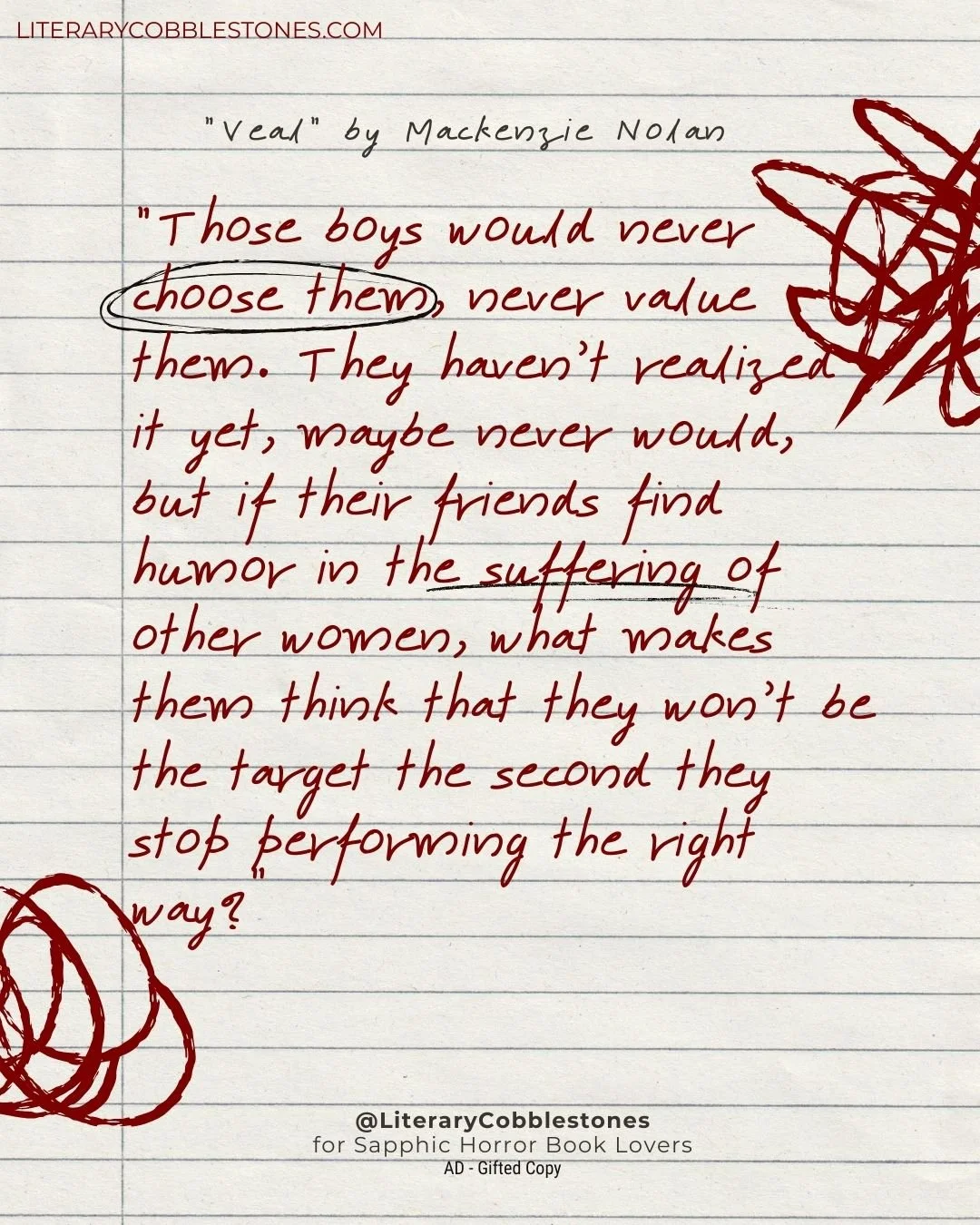
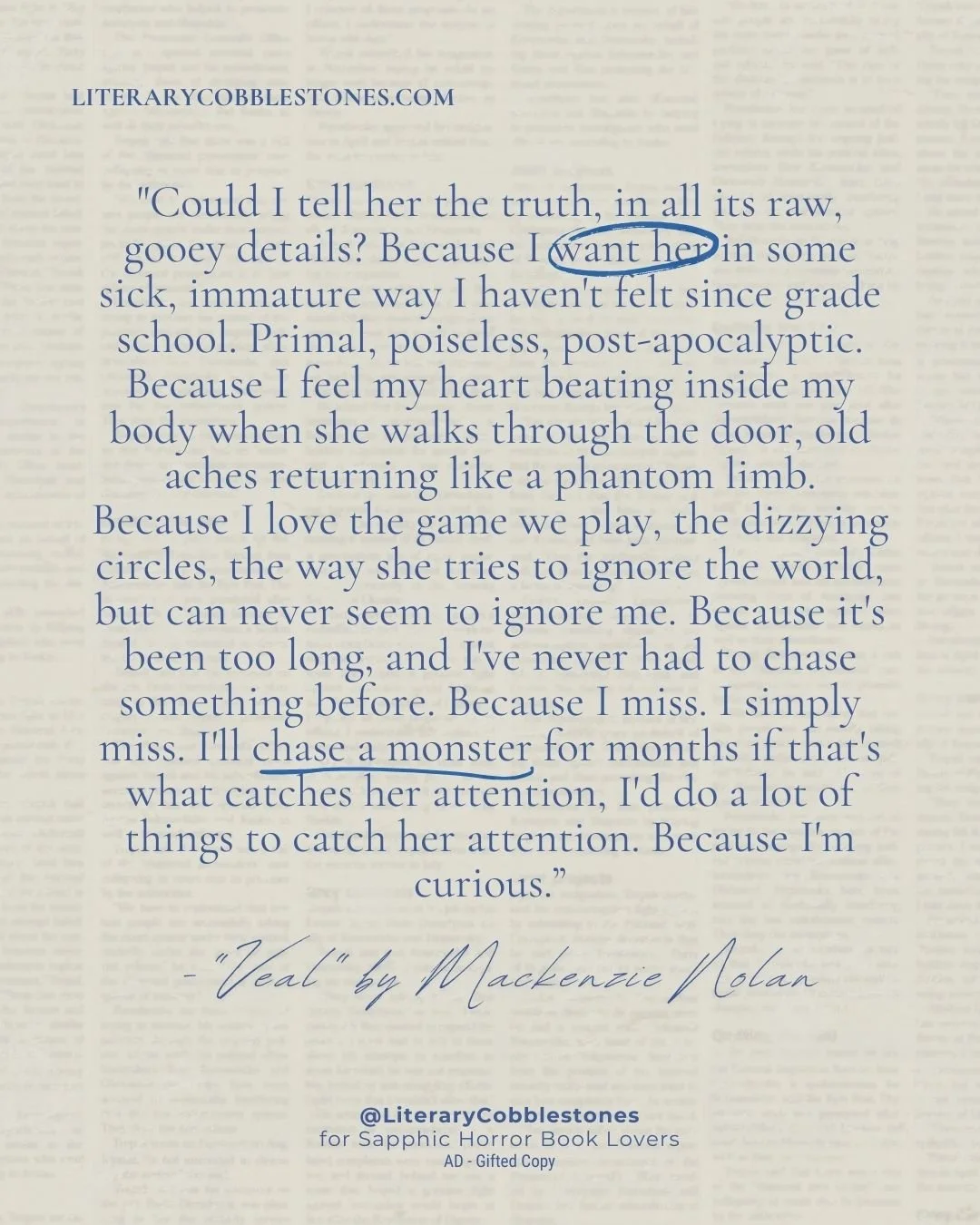
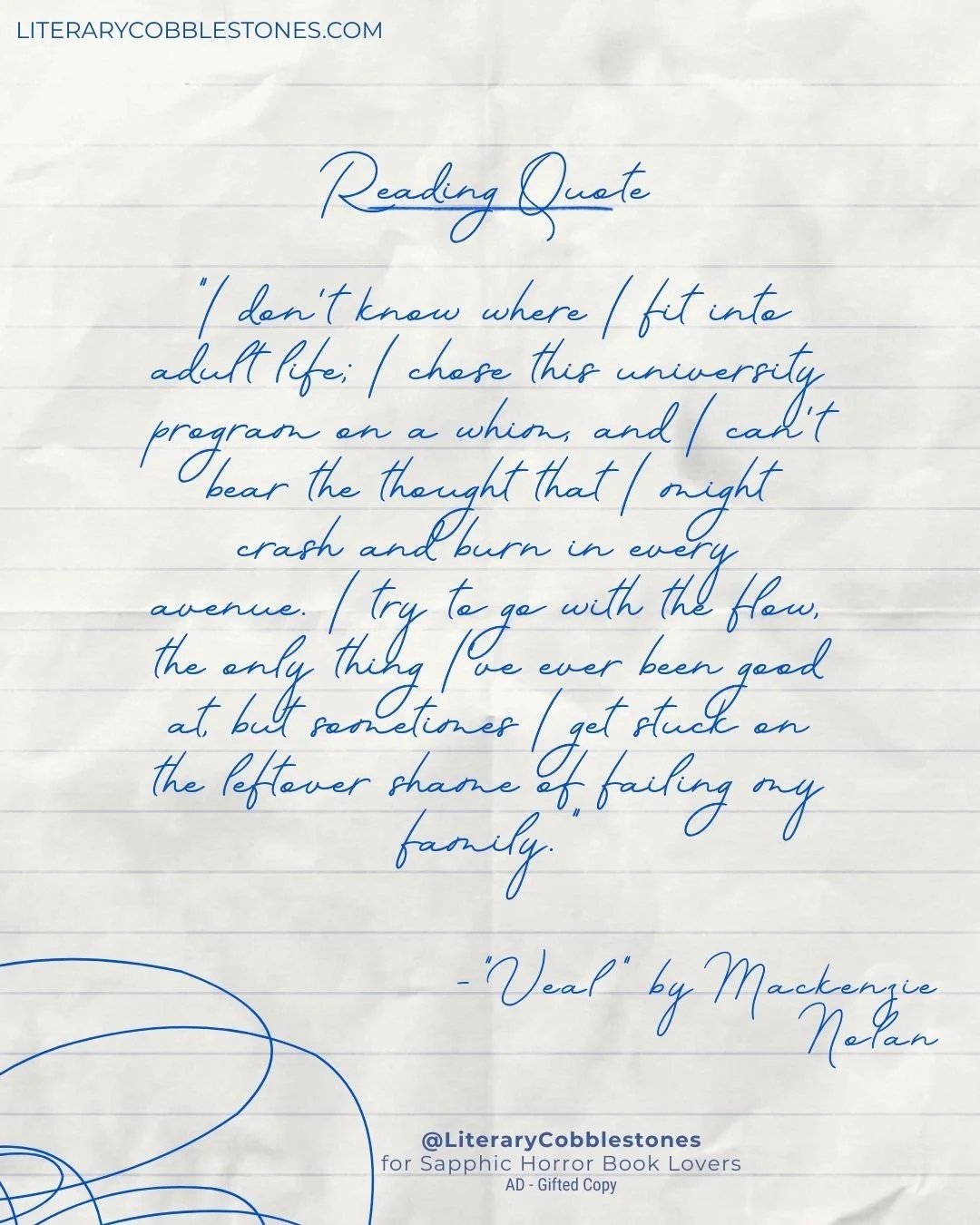
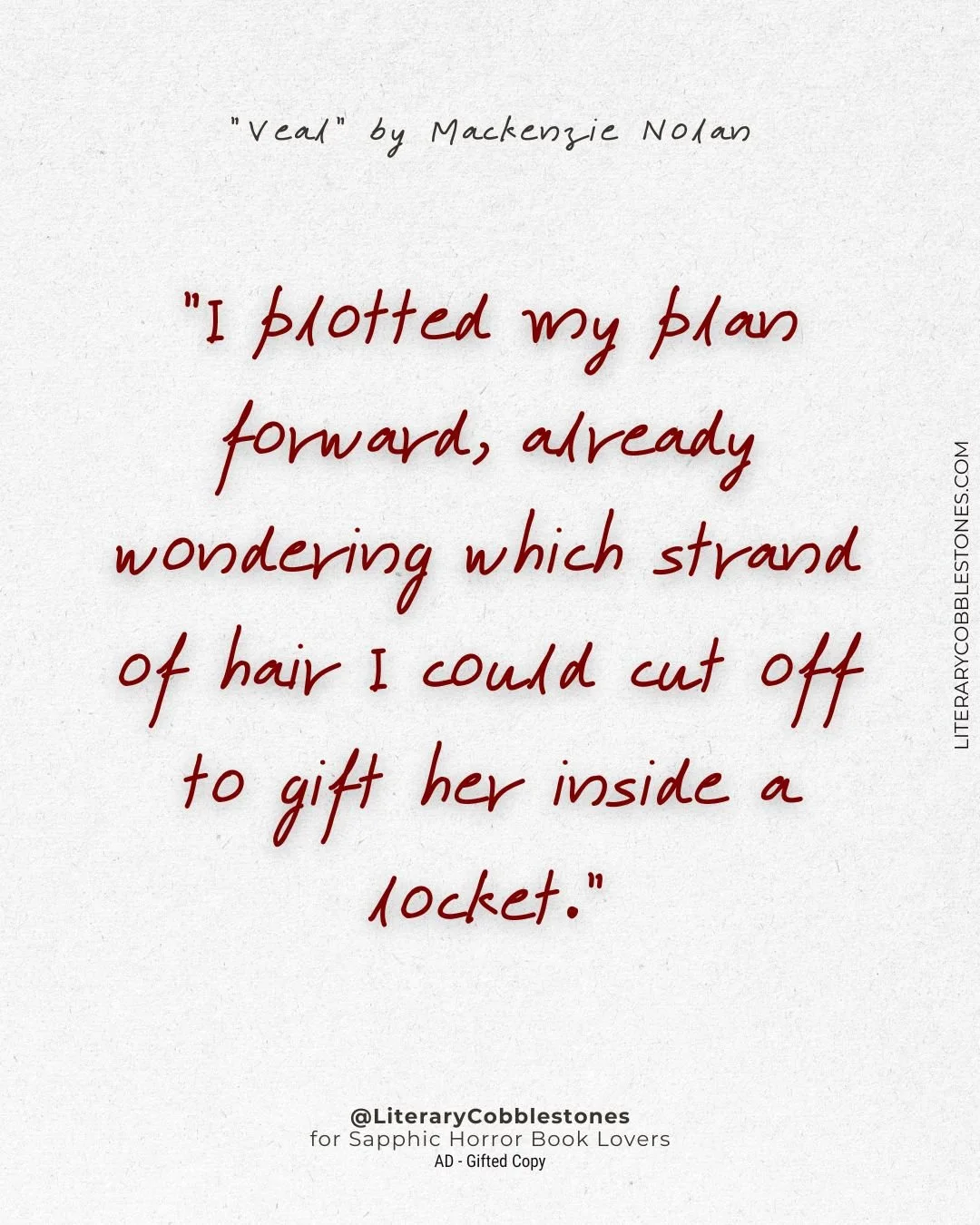
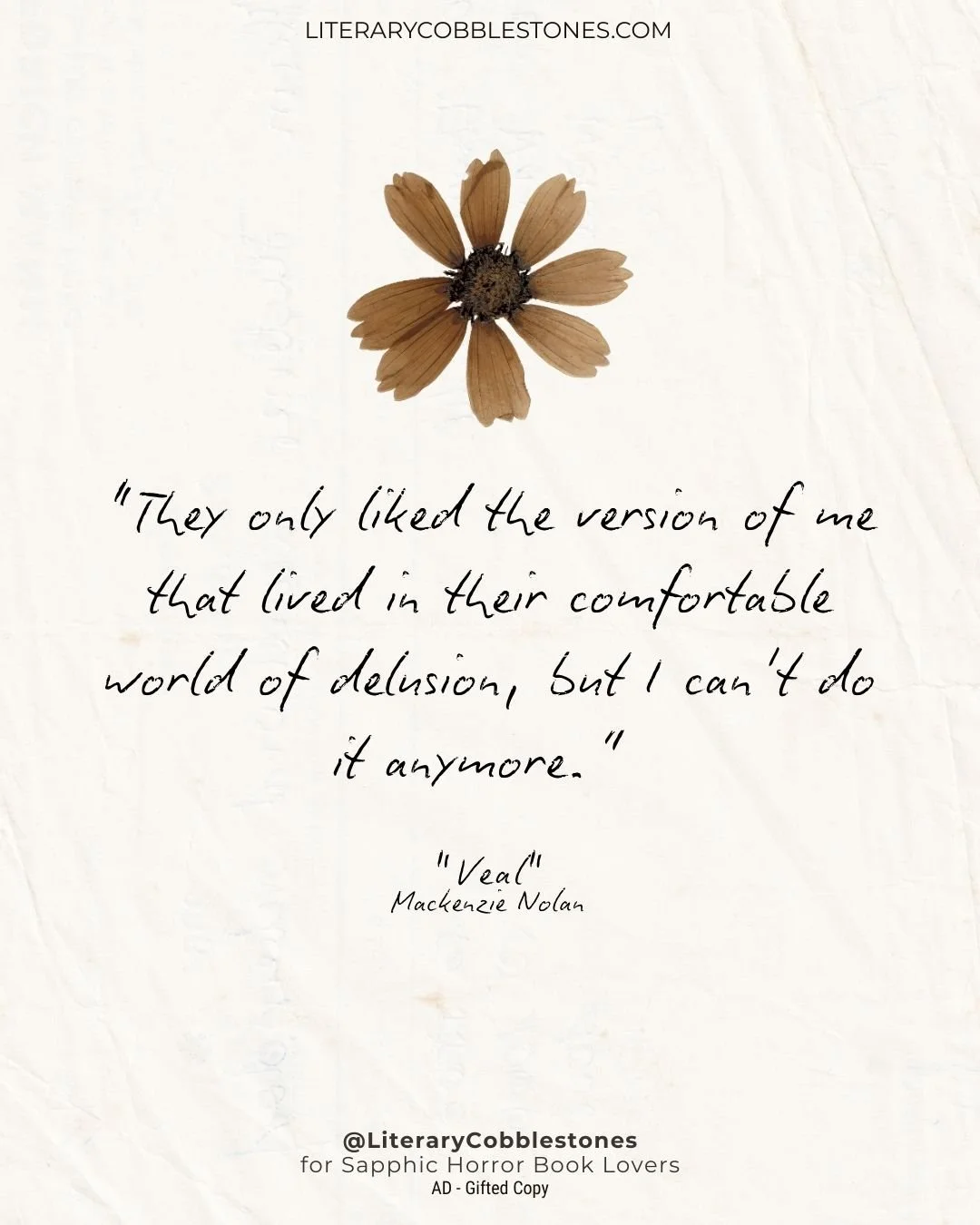
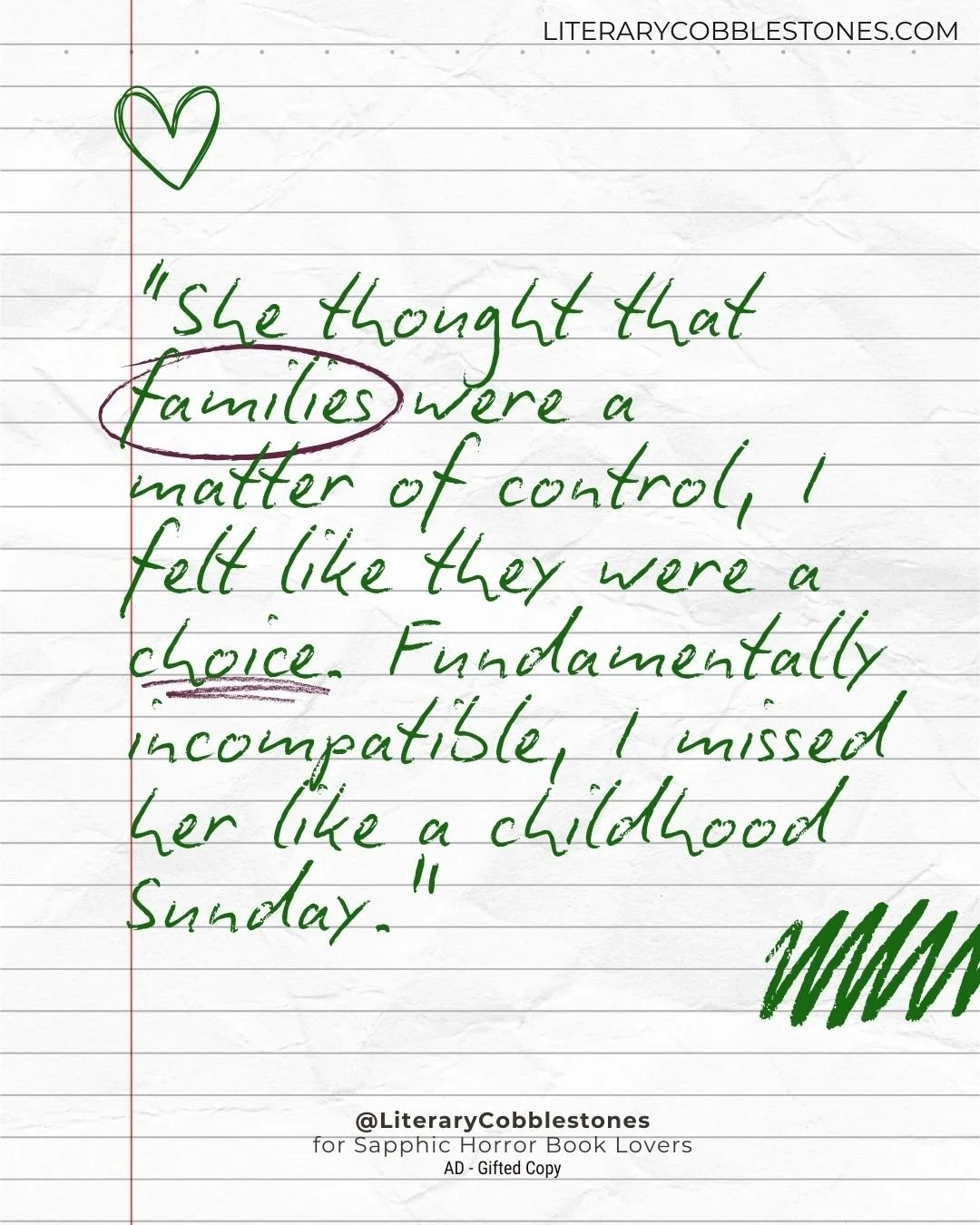
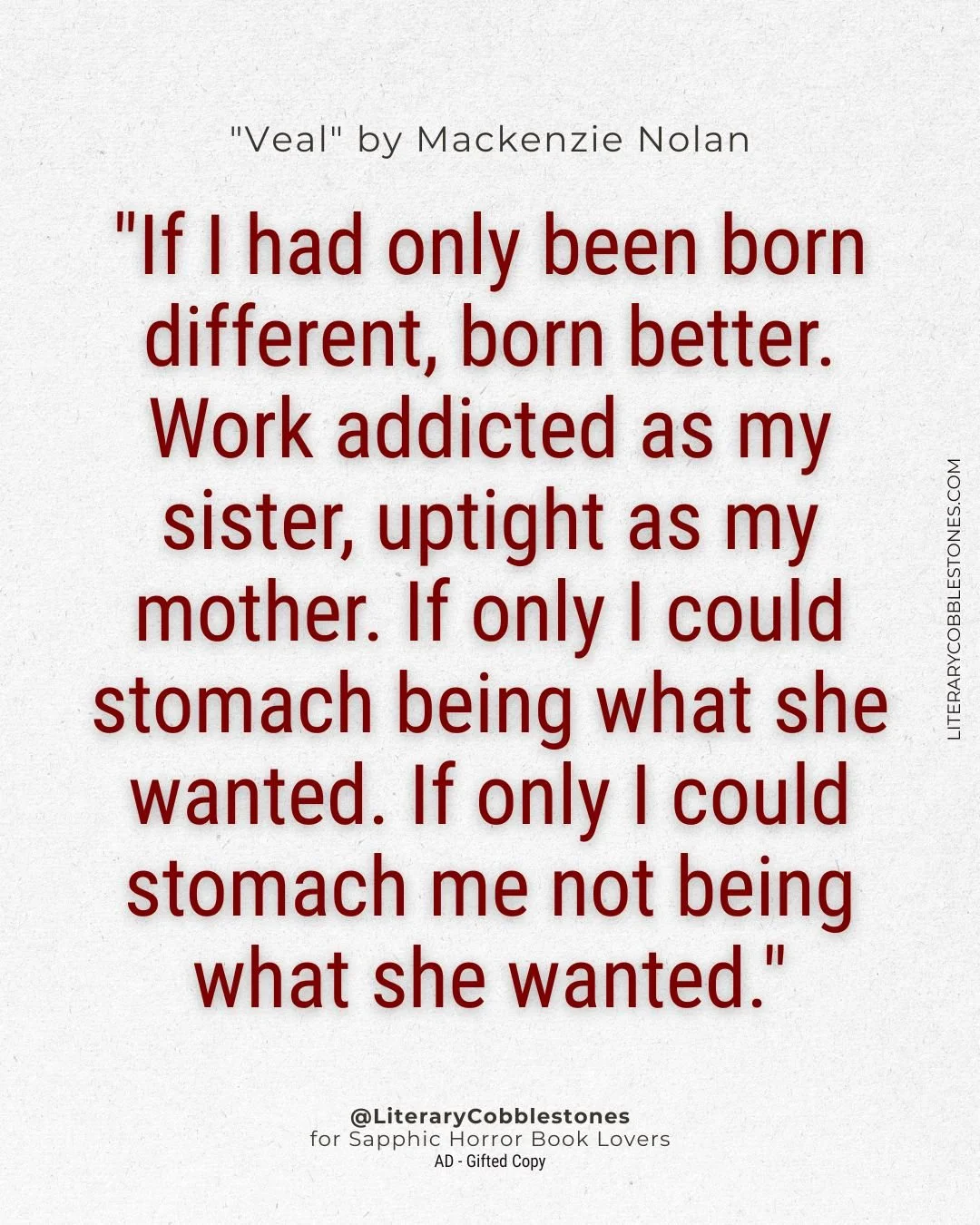
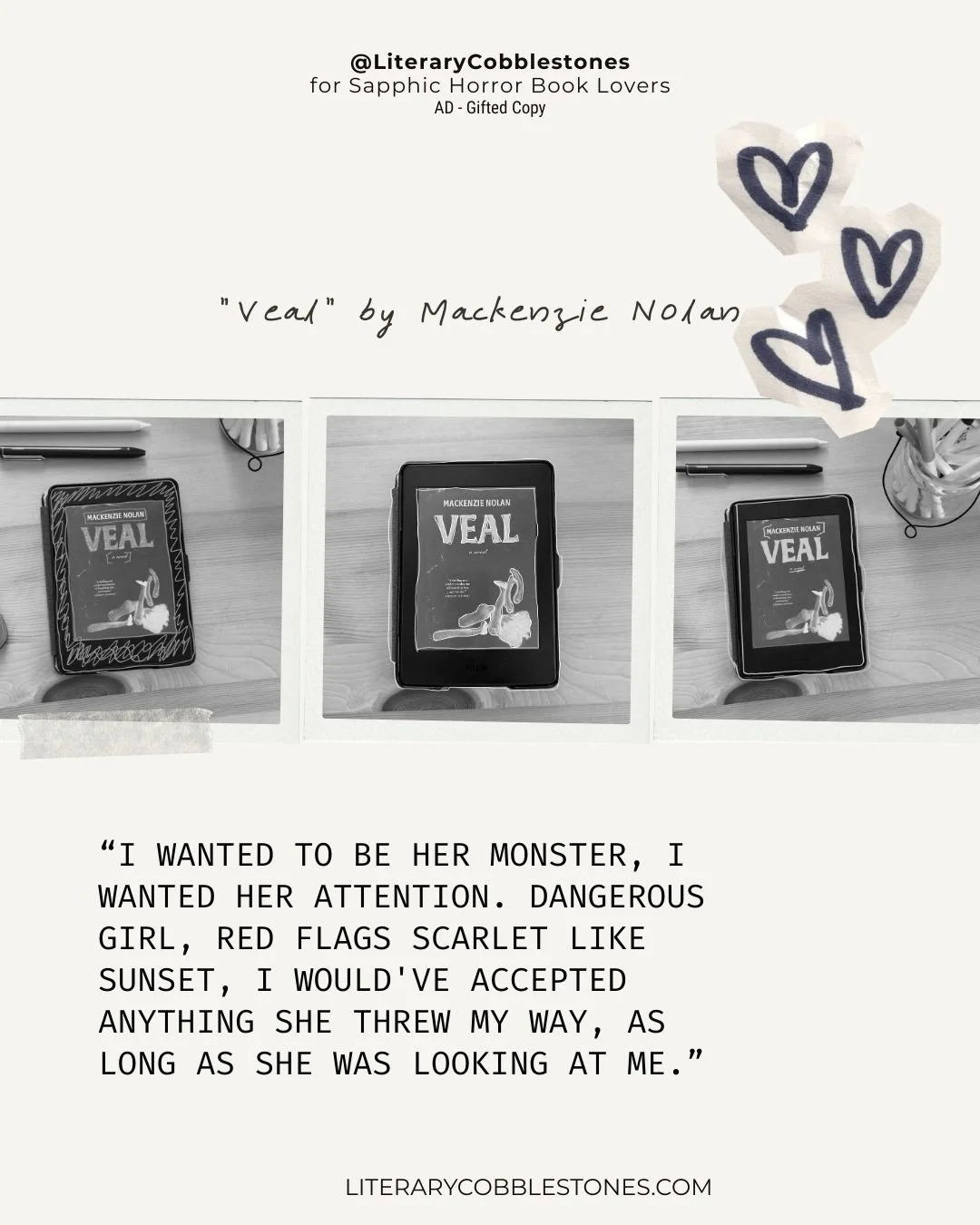
Lesbian Book Quotes
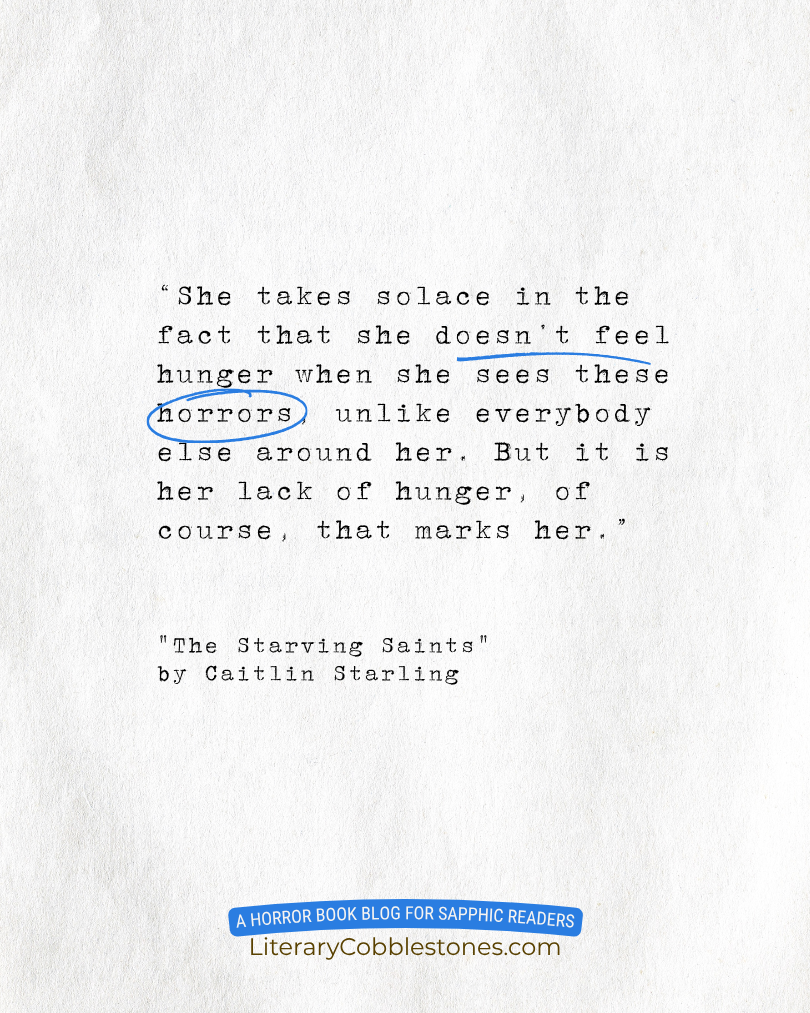
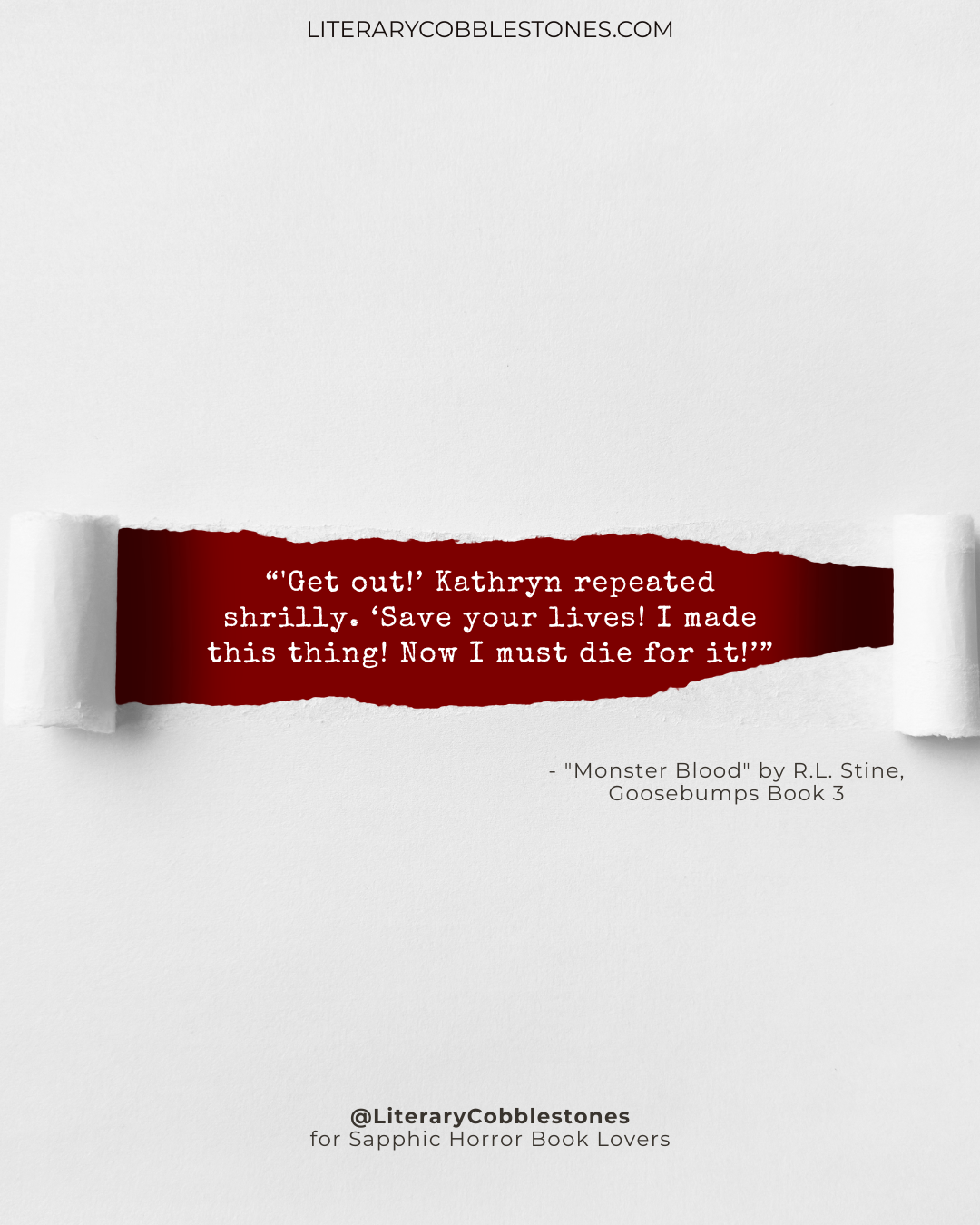
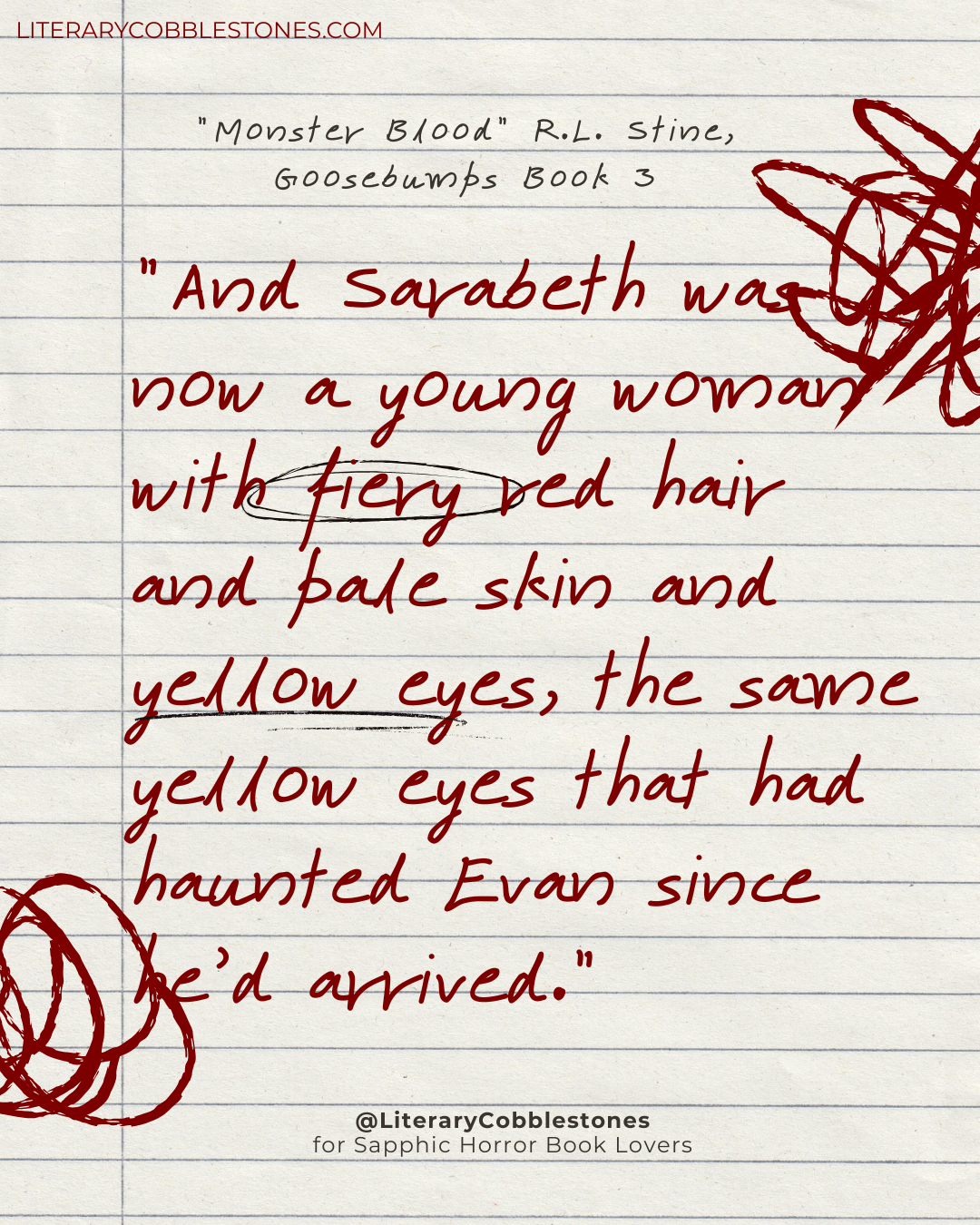
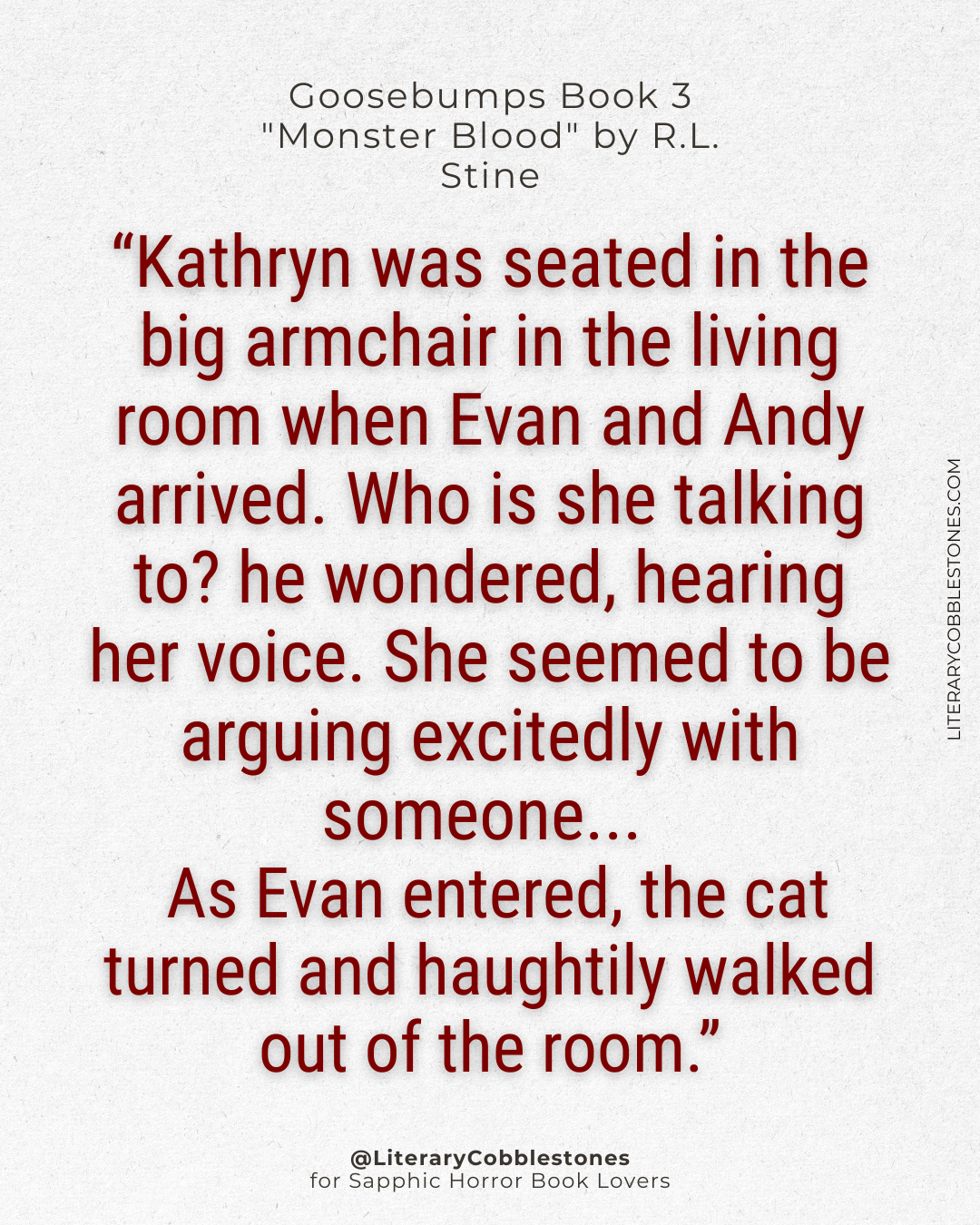
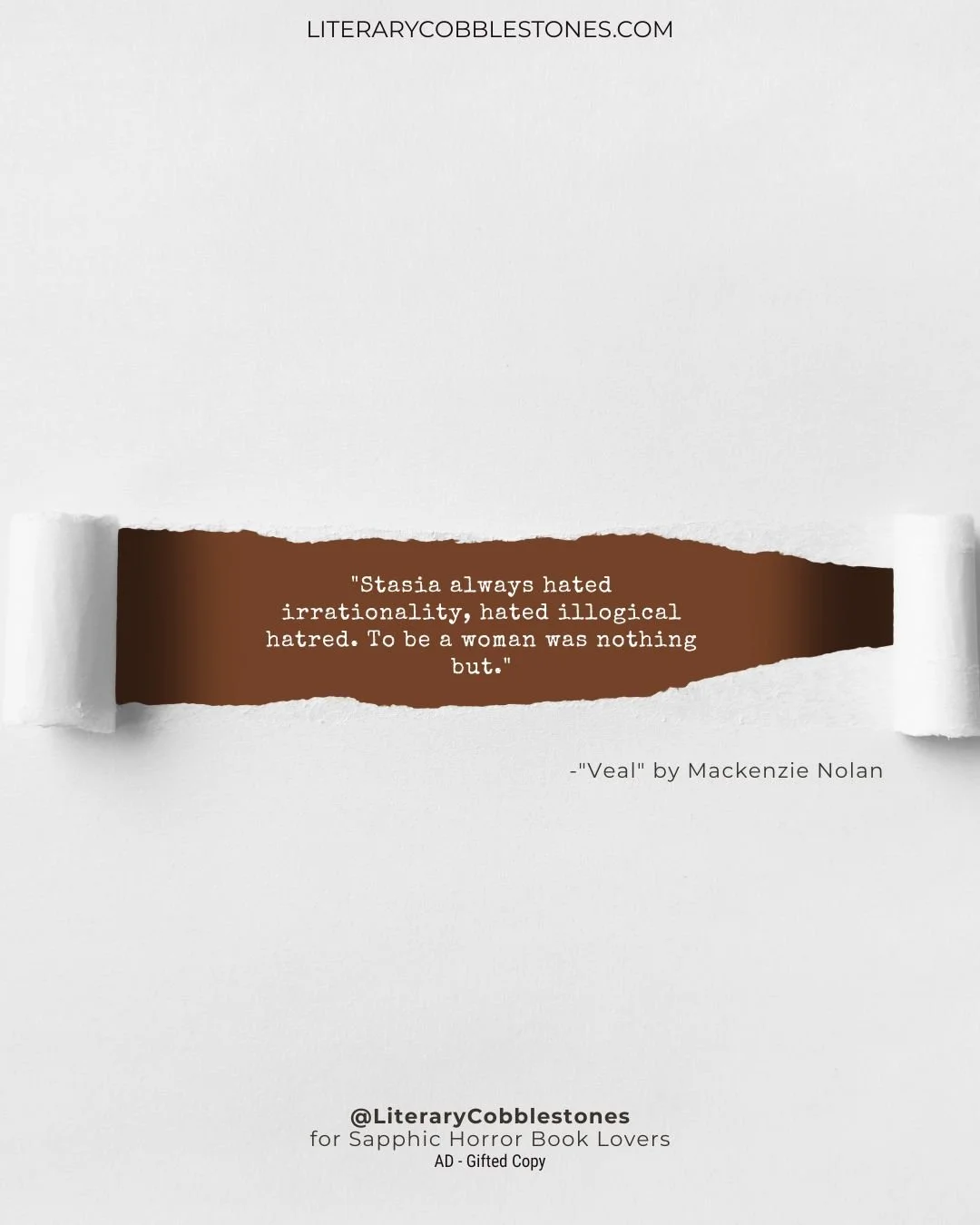
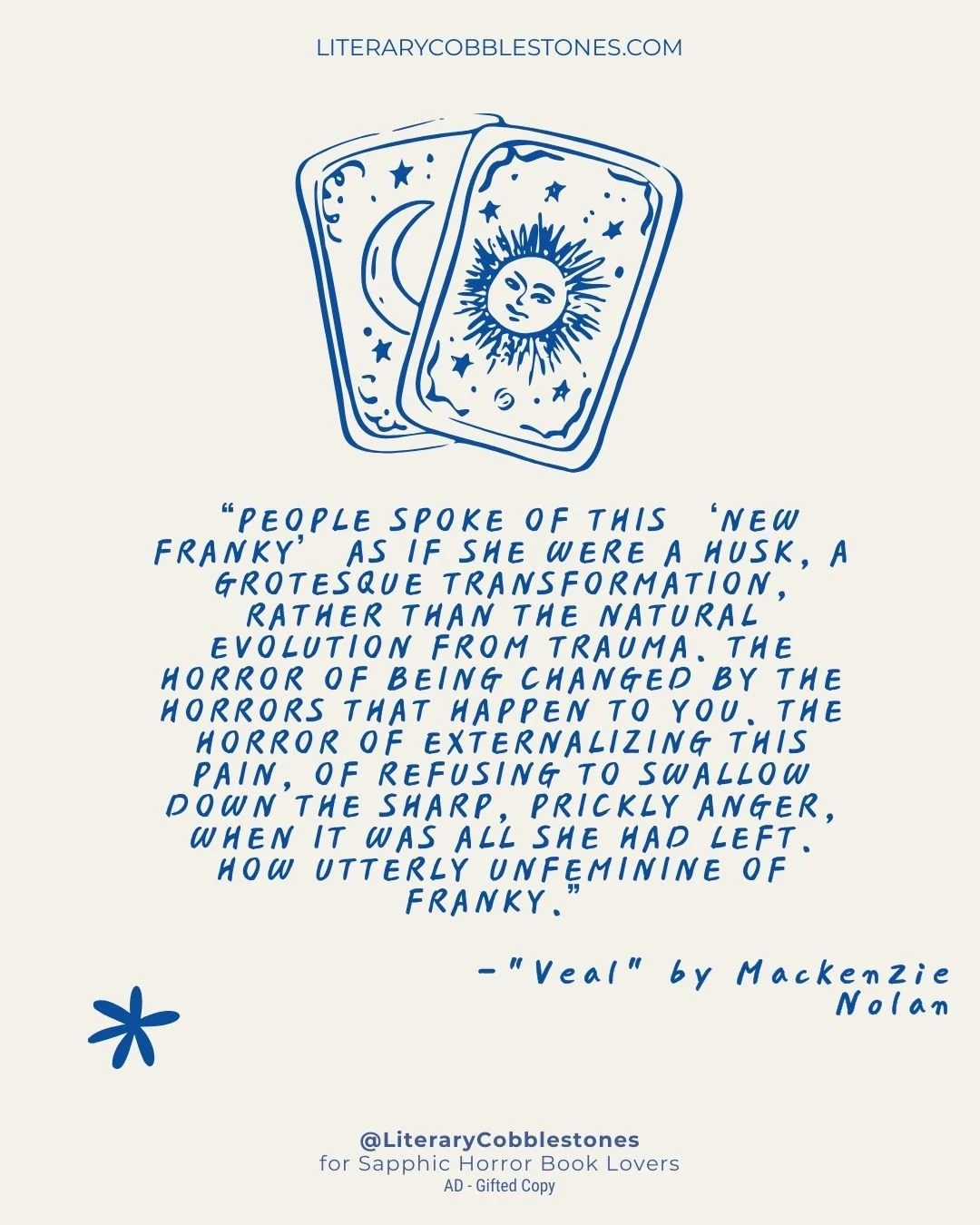
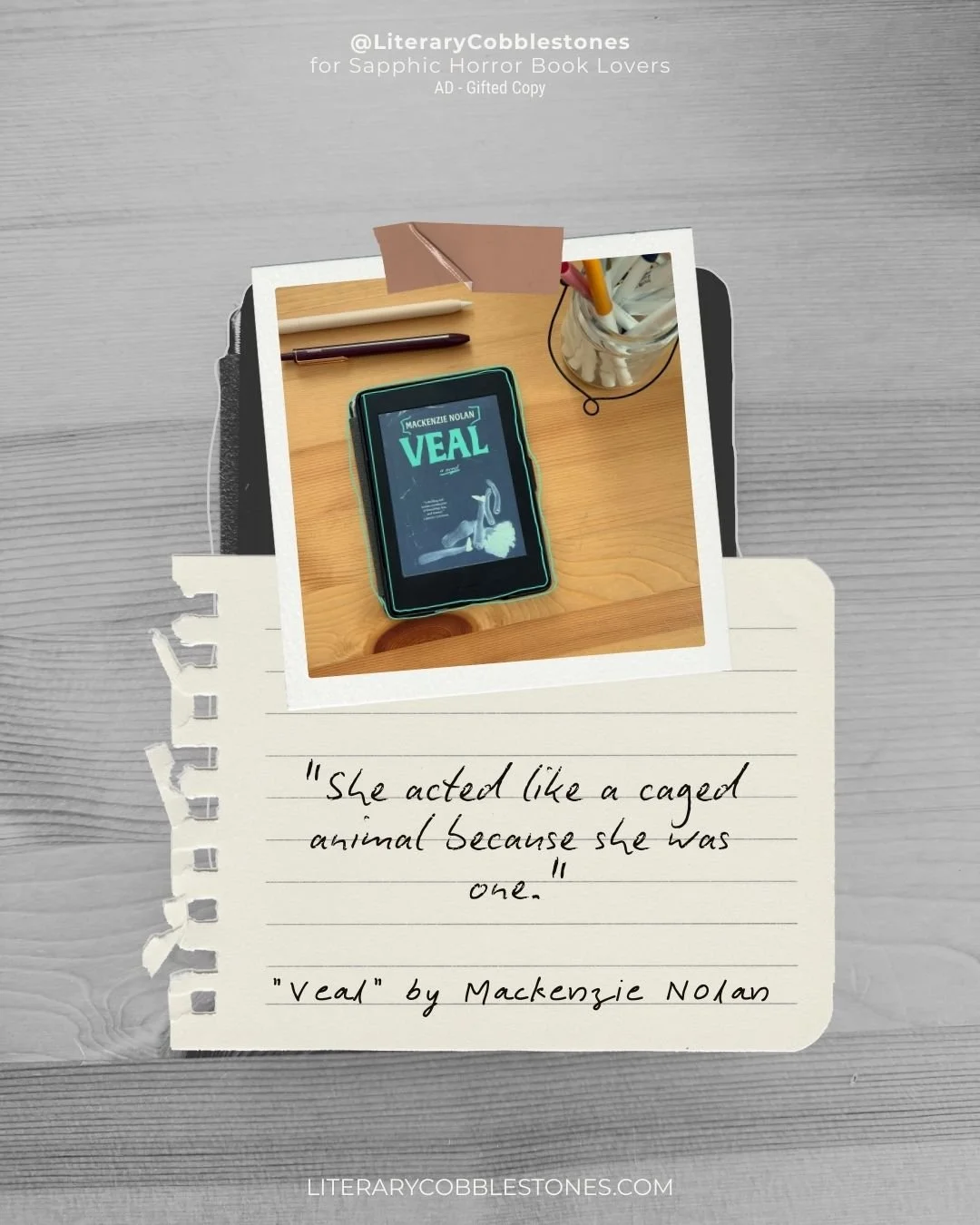
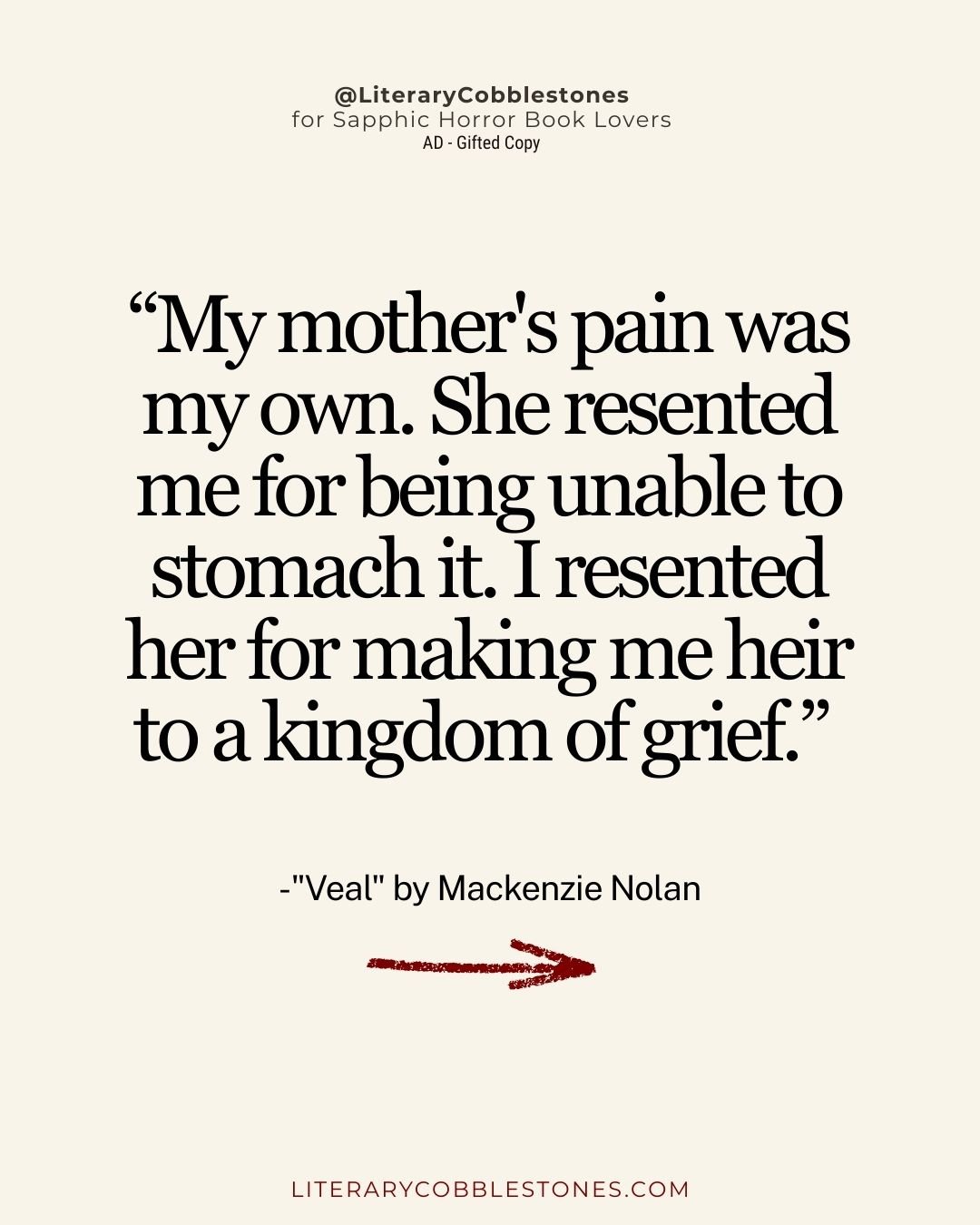
Follow For More Lesbian Book Reviews
Like what you see (or read)? Then come be my friend! I'd love to create a community of like-minded readers who love murder, mystery, and horror, especially with a sapphic or queer edge.
Follow my book blog:
🖤 Thanks -Tiff
More Sapphic Horror Reads
〰️
More Sapphic Horror Reads 〰️